
What a Chair Carries · Vitra Design Museum · Weil am Rhein, Germany
Found second-hand. Kept six years. Never for sale.
VITRA DESIGN MUSEUM — WEIL AM RHEIN
I have spent years finding objects like this one for others. This one I kept.
The EA 116 — designed by Charles and Ray Eames in 1958 for Vitra — has been in my studio in Lucerne for six years. I searched for it for a long time before I found it, second-hand, in the quiet way that the right objects tend to arrive: not announced, simply there. I did not buy it because of its name. I bought it because it asked nothing of the room except to be used.
It was that object — the one I sit in every day, the one I have never once considered selling — that brought me to Weil am Rhein.
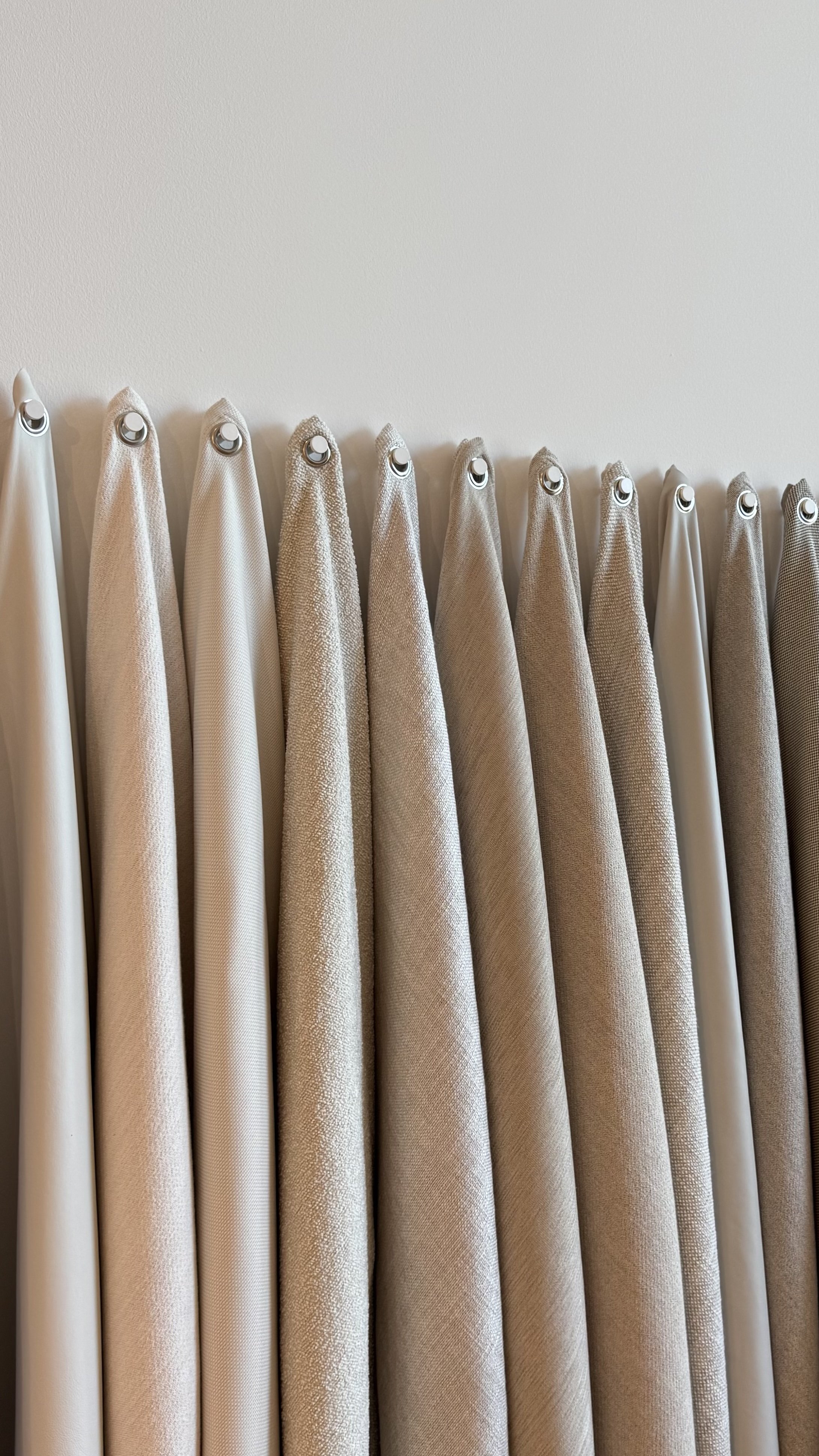
Whispering Things — Hella Jongerius, Vitra Design Museum, Weil am Rhein, Germany · 2026.
Curation: VV Interior Home by Valeria Viollaz · vvinteriorhome.com · Photography: Valeria Viollaz
I. The Object Before the Story
VITRA CAMPUS — WEIL AM RHEIN
The building that houses Vitra Design Museum does not prepare you for what is inside. Frank Gehry completed it in 1989 — his first building in Europe — and it still reads as something slightly ahead of its own time: white volumes tilting and stacking against the Rhine valley, windows placed where no window should logically be. It is a building that has already decided it doesn't need to explain itself.
Inside, the collection spans more than two centuries of furniture design. Not as inventory, but as argument — an extended meditation on what it means to design something that people will actually live with, sit in, return to. The Schaudepot, the visible storage building designed by Herzog & de Meuron, makes that argument explicit: hundreds of objects arranged on open shelving, each one a decision someone made about how the body should inhabit space.
What strikes you is not the quantity. It is how many of these objects you already know — not from museums, but from rooms.
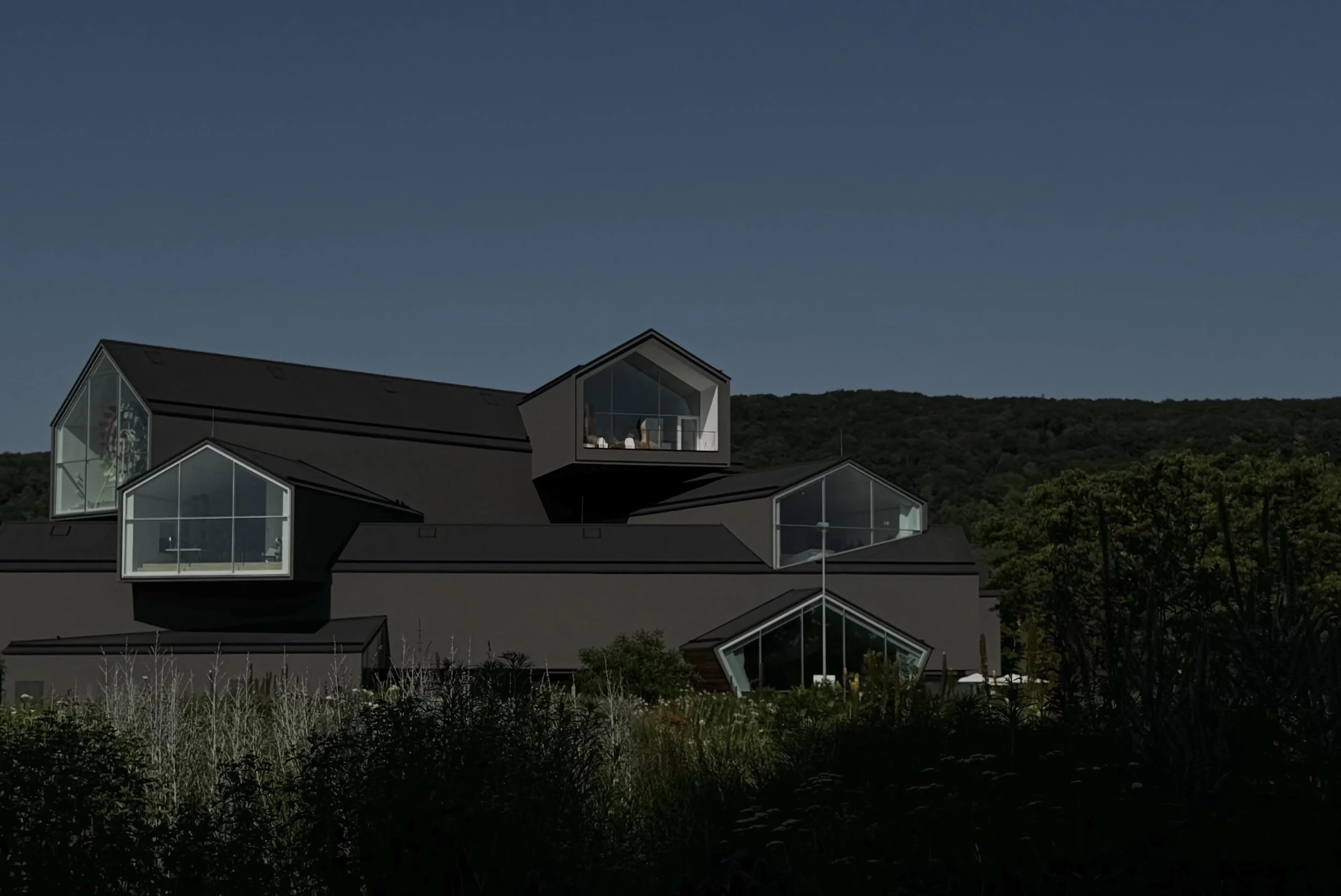
Vitra Haus — Herzog & de Meuron, 2010, Weil am Rhein, Germany · 2026.
Curation: VV Interior Home by Valeria Viollaz · vvinteriorhome.com · Photography: Valeria Viollaz
II. A Century of Decisions
SCHAUDEPOT — HERZOG & DE MEURON, 2016
The miniature collection at the Schaudepot is one of the most quietly extraordinary things I have encountered in a design museum. Hundreds of scaled-down chairs — from Thonet bentwood to Panton stacking to Eames shell — arranged on floor-to-ceiling shelves behind glass. Every major decision in the history of furniture design, compressed into a single wall.
You stand in front of it and understand, perhaps for the first time, that design is not about style. It is about the accumulation of answers to the same question asked across different centuries, different materials, different bodies. The objects that survive are the ones that found the best answer — not the most beautiful one, not the most original one, but the truest one.
The EA 116 is on that wall. I recognised it immediately.
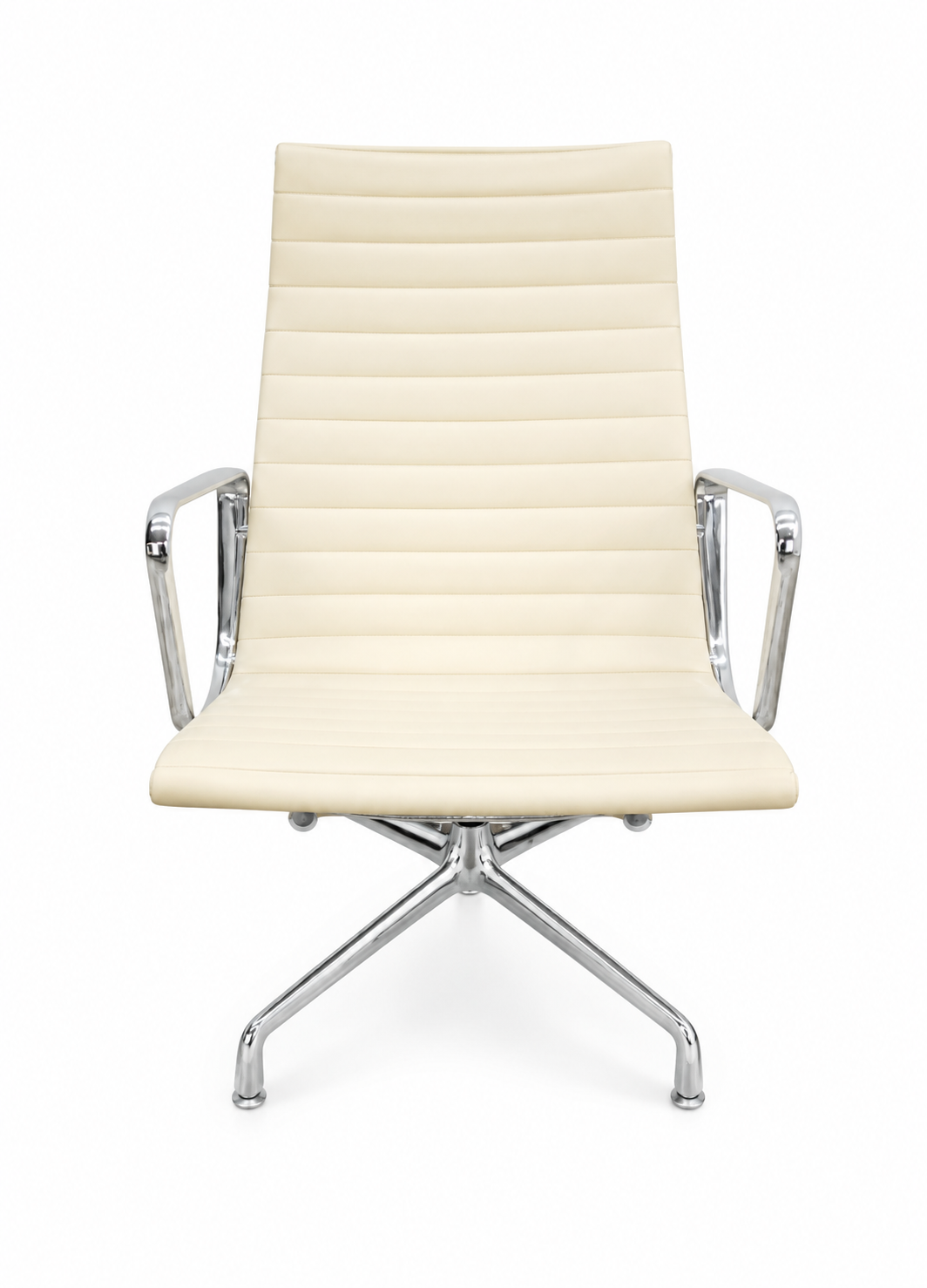
EA 116 · Charles and Ray Eames for Vitra, 1958 — the chair that has been in Valeria Viollaz's studio in Lucerne for six years. Found second-hand. Never for sale.
Curation: VV Interior Home by Valeria Viollaz · vvinteriorhome.com · Photography: Vitra
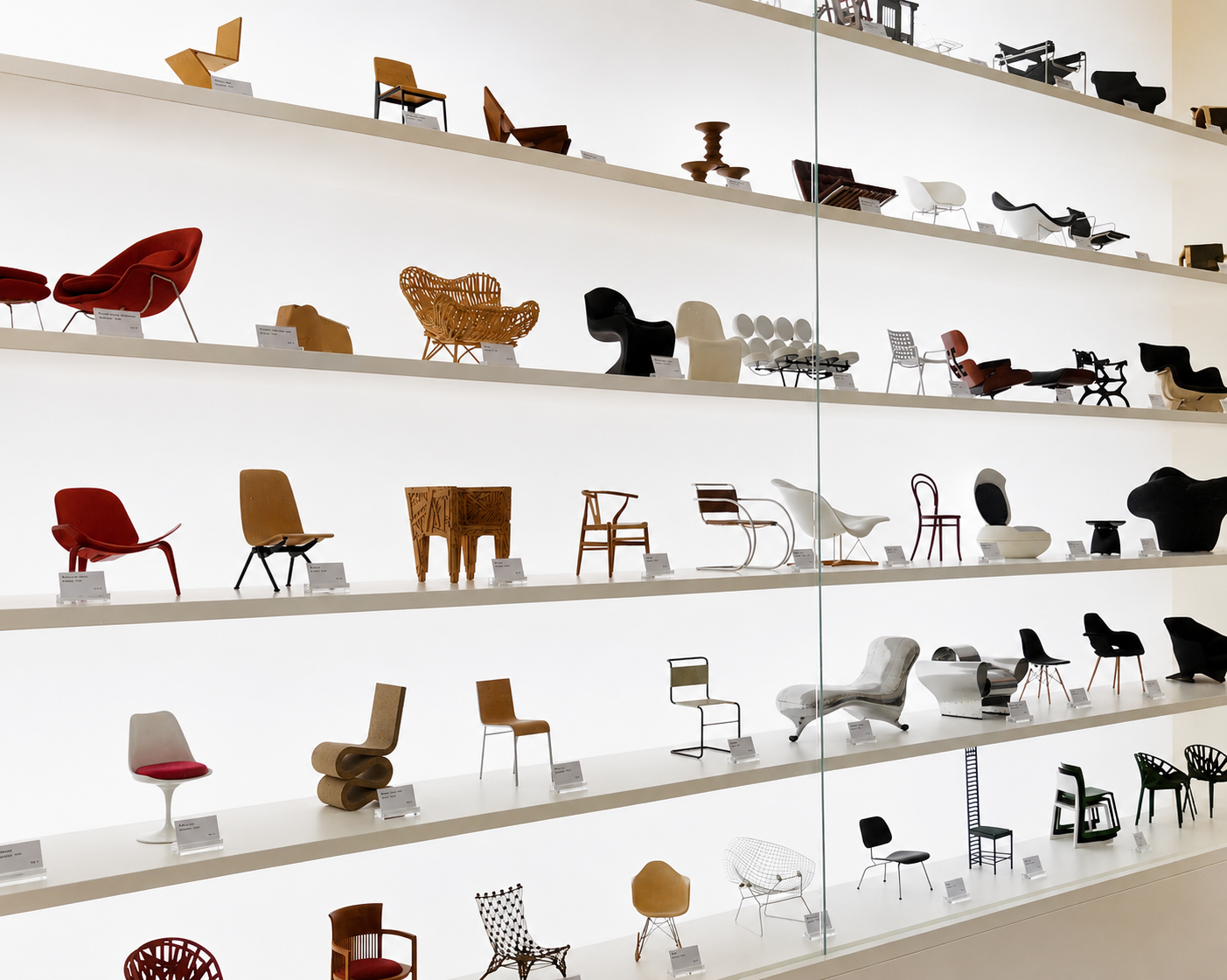
Miniature collection — Vitra Design Museum Schaudepot, Weil am Rhein, Germany · 2026.
Curation: VV Interior Home by Valeria Viollaz · vvinteriorhome.com · Photography: Valeria Viollaz
To leave Vitra Design Museum is to return to your own objects differently. Not with new knowledge, exactly — with new attention. The chair in my studio has not changed. Only the way I sit in it.
PROJECT CREDITS
Curation: VV Interior Home by Valeria Viollaz
Copywriter: Valeria Viollaz
Photography: Valeria Viollaz · Vitra
Design: Octupuslab
Coordination: Viollaz Group