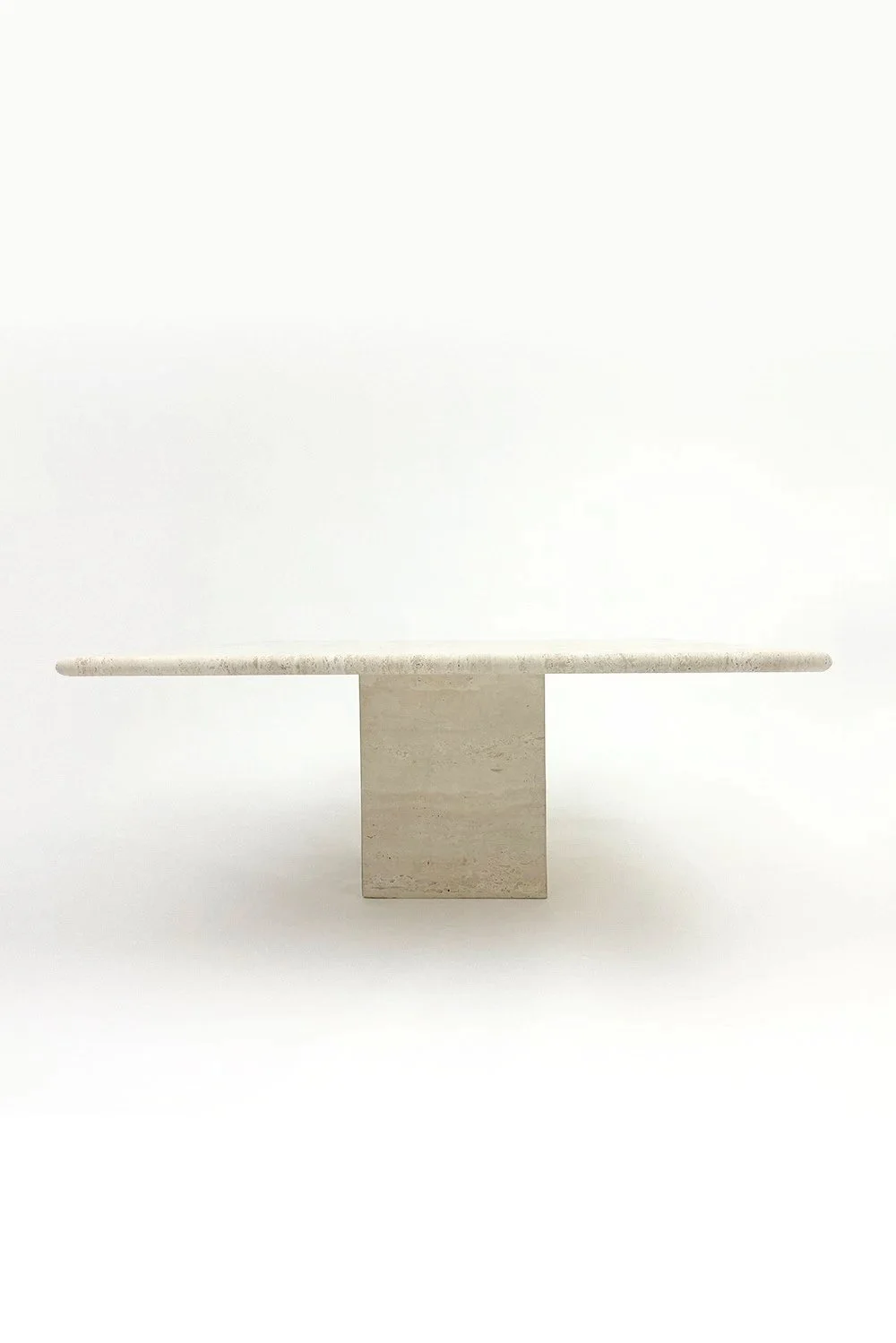
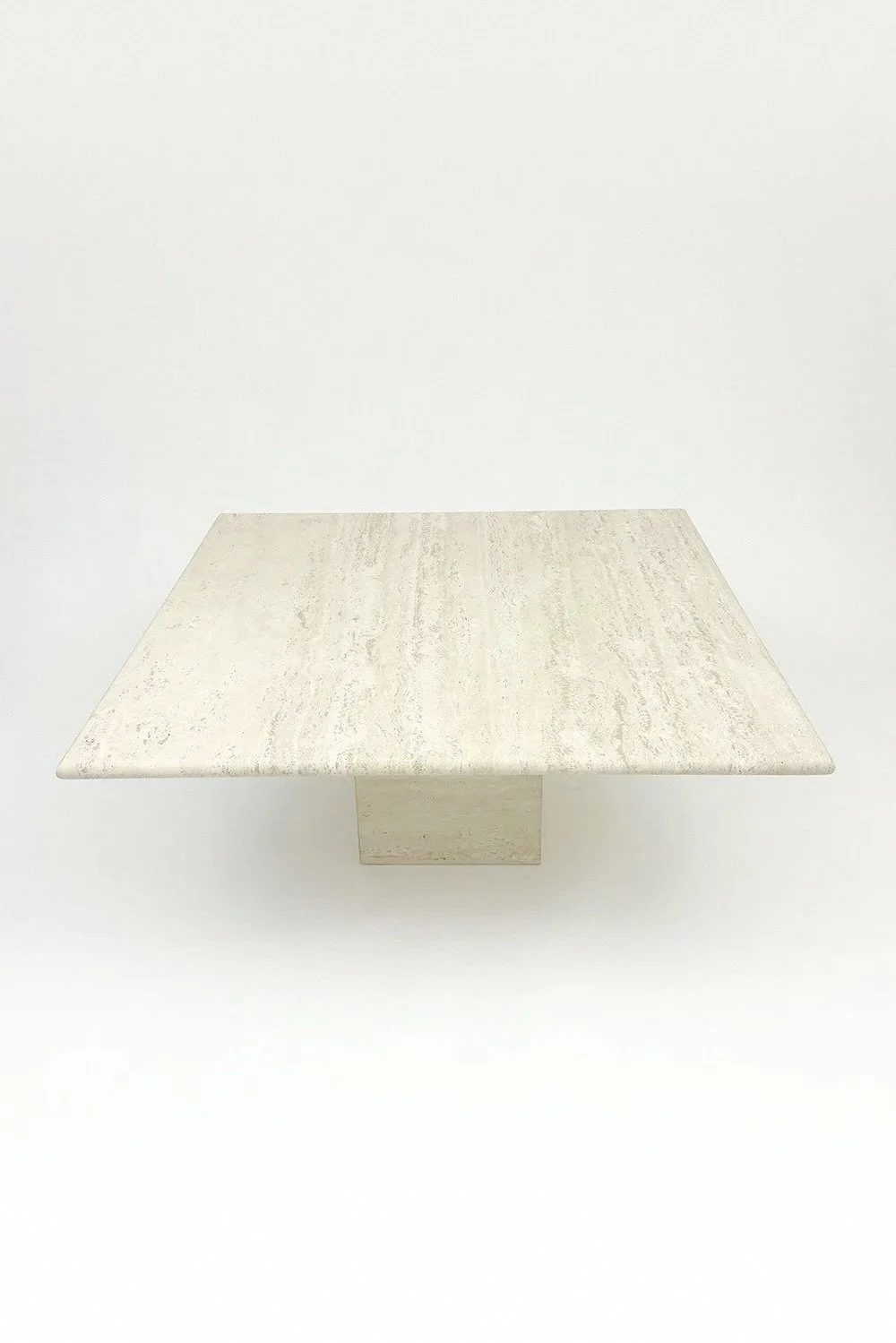
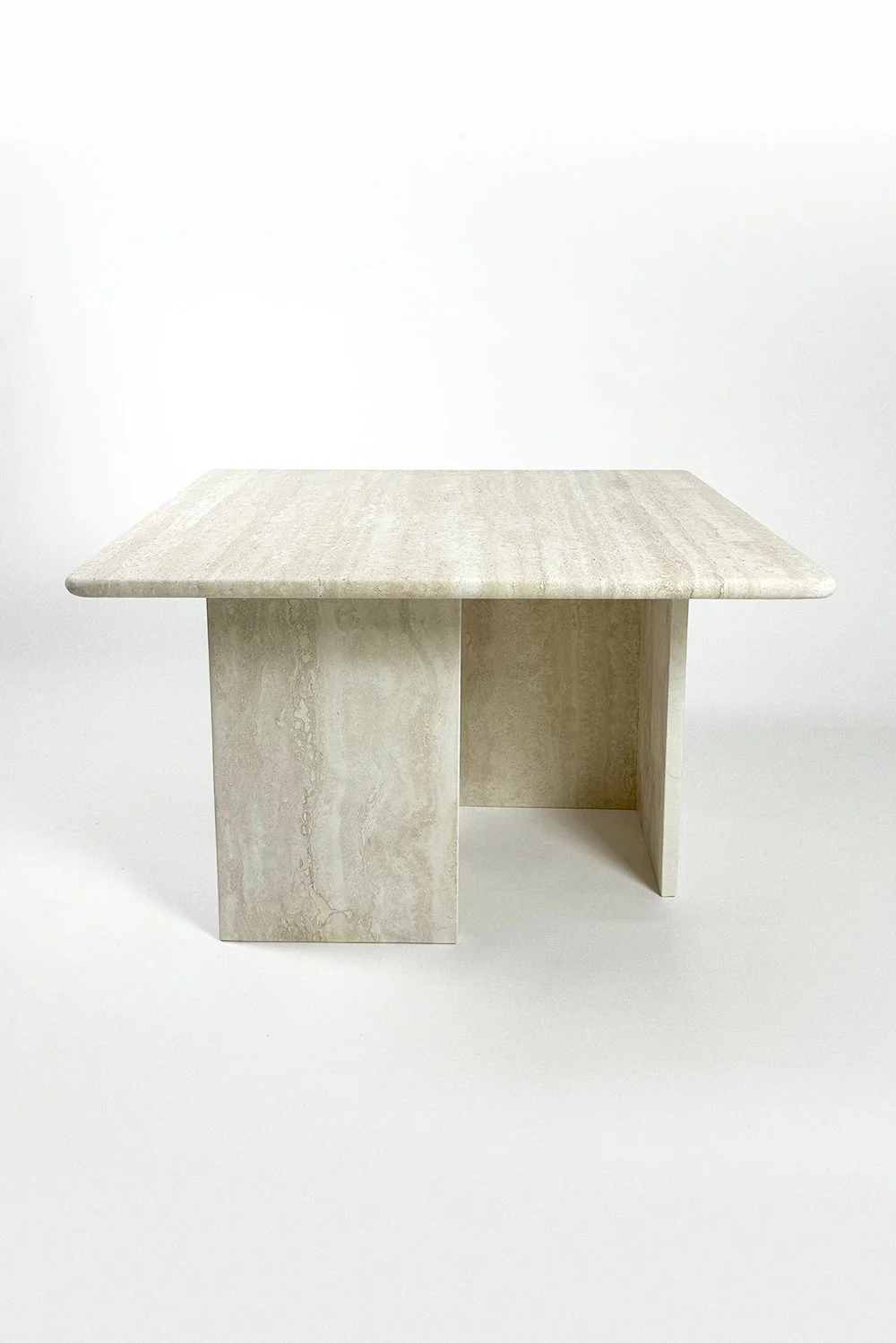
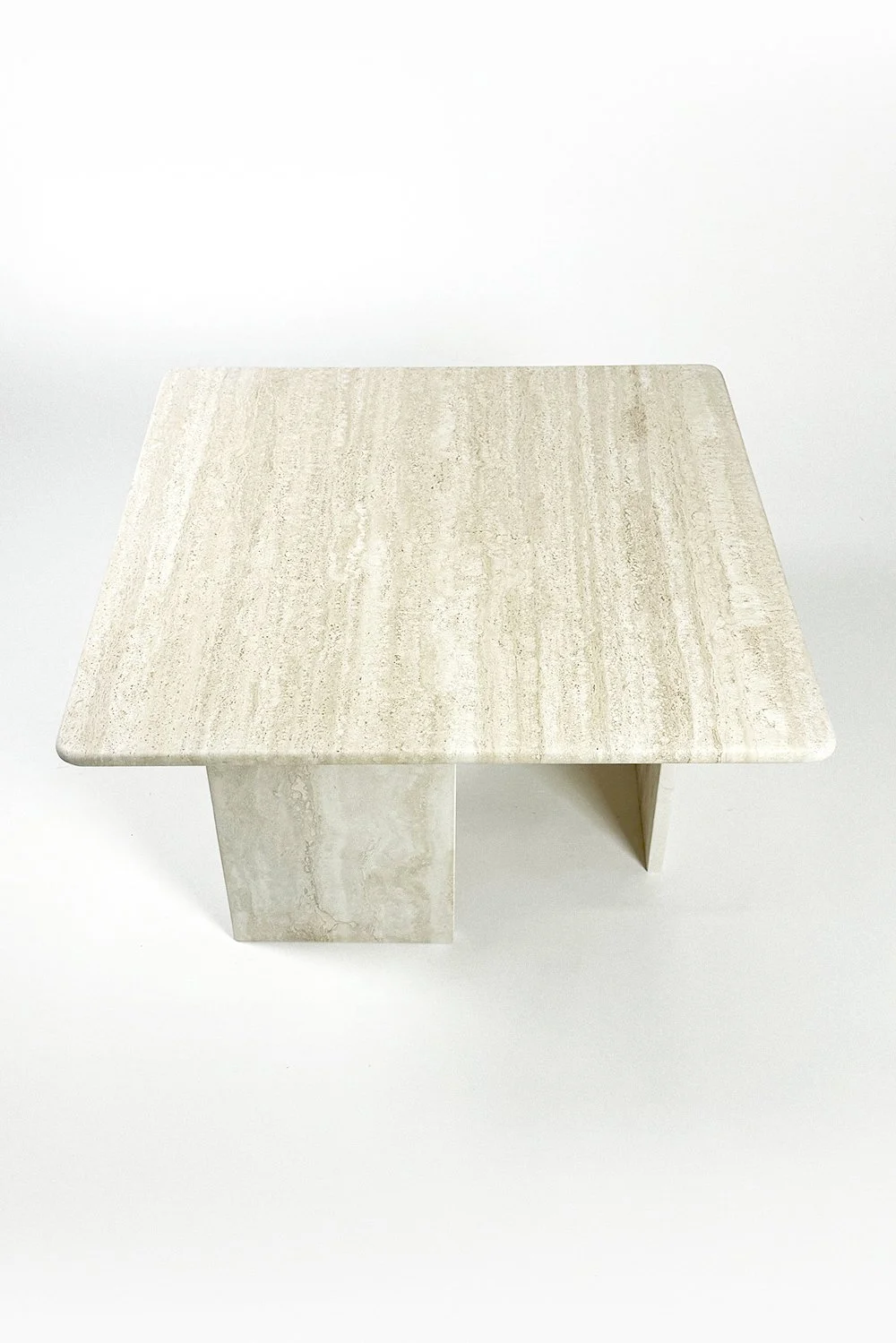
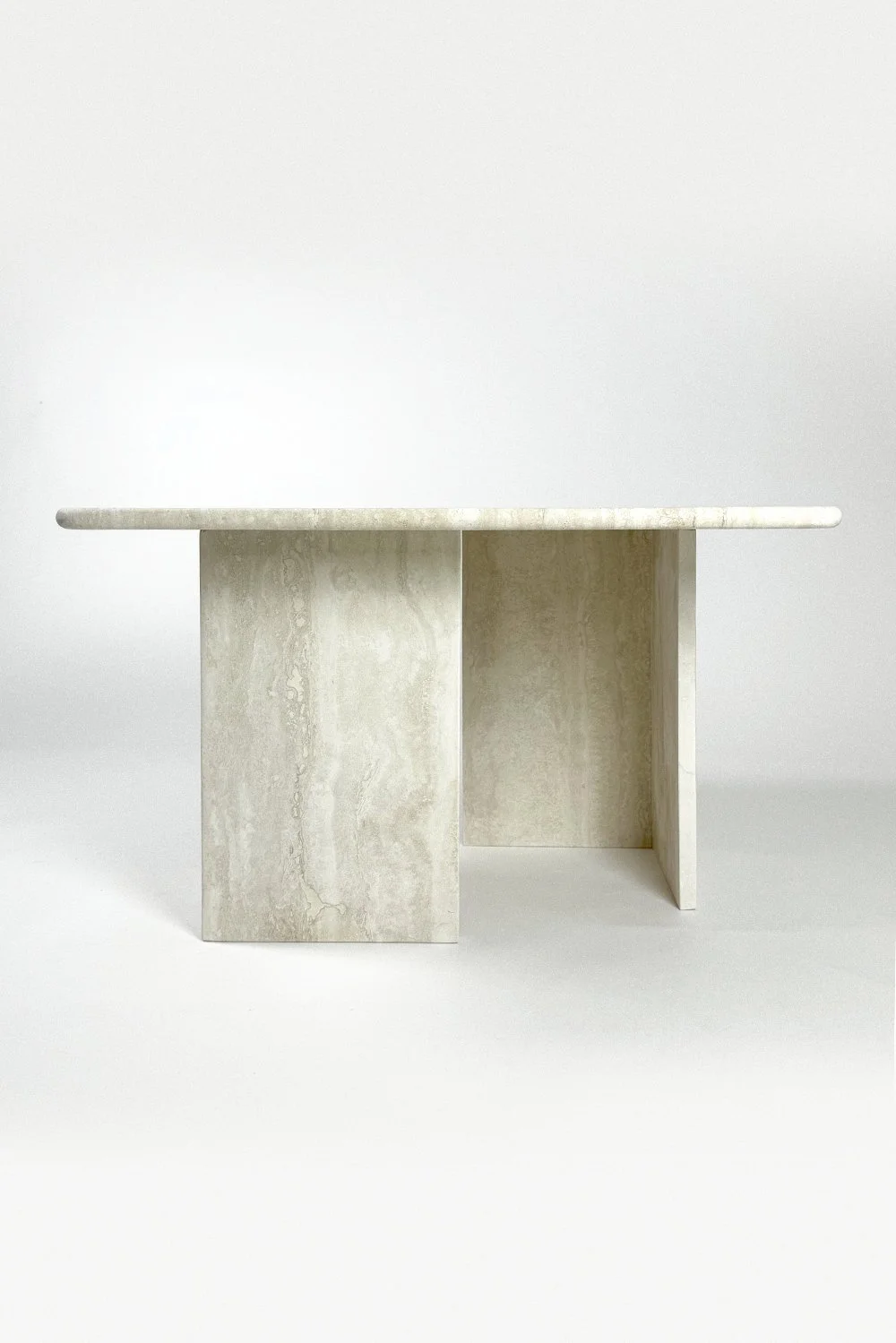
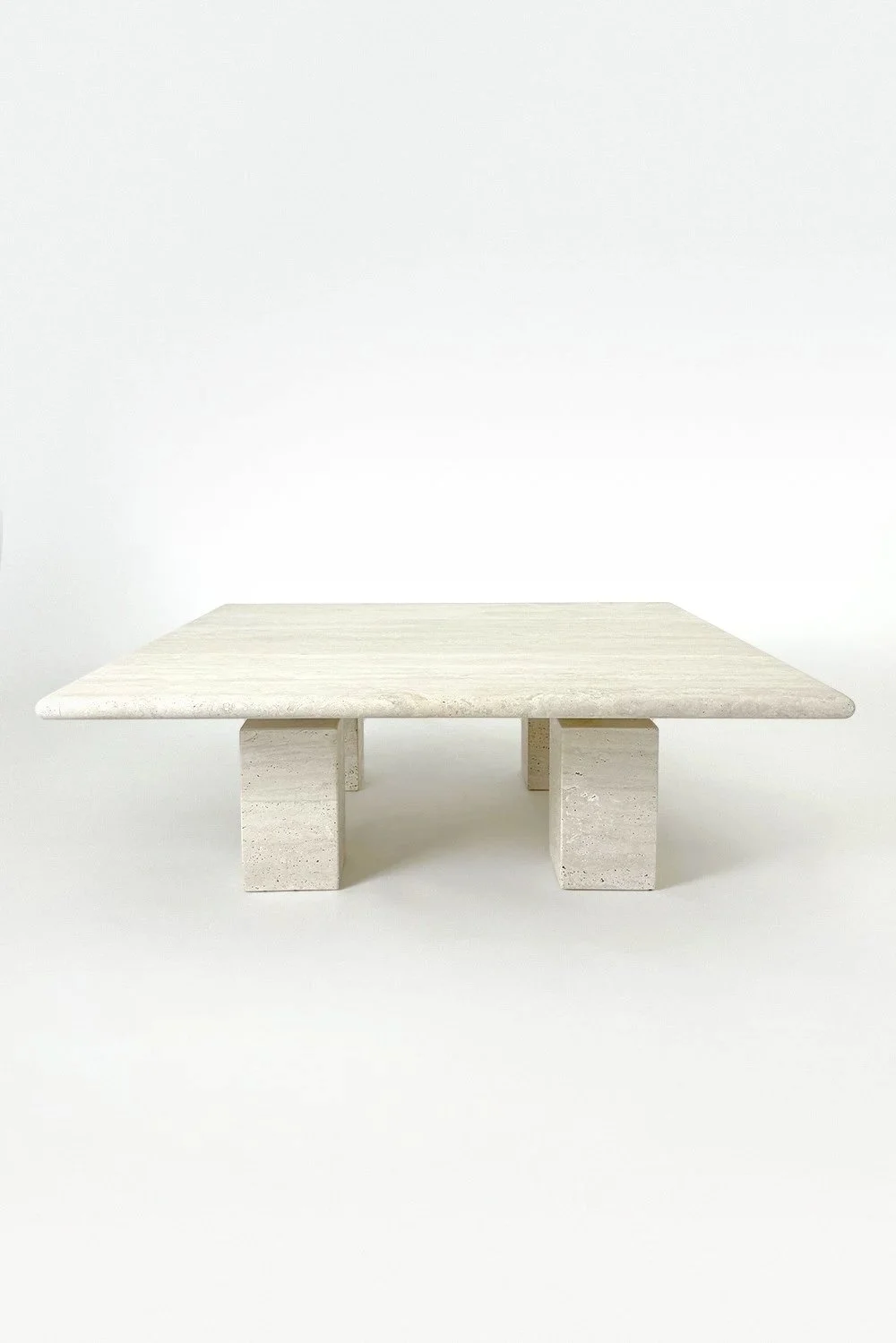
These are antique pieces and are sold as such. Although VV does its best to highlight major flaws, minor imperfections should be expected reflecting the age and previous use of the piece.
The base of this centre table is not furniture — it is sculpture. Three male figures in patinated bronze, drawn from the neoclassical tradition of ancient Greek athleticism, stand locked in circular tension around a central iron ring. Their arms extend outward to carry the circular glass top above them; their bodies twist, lean, and press against one another in a composition of controlled dynamism. Seen from above, they form a triskelion — a rotating geometry that has no beginning and no end.
Cast in solid bronze with a deep, warm patination developed through age, the surface carries the quiet authority of fine foundry work. Each figure is rendered with anatomical precision: musculature, posture, and proportion all belong to a tradition that stretches from classical antiquity through the Grand Tour revival of the 18th and 19th centuries and into the decorative arts of early 20th century France. The base rests on a curved tripartite foot, grounding the sculpture with the same formal seriousness that governs the figures above.
Engraved directly into the bronze: ARTHUS-BERTRAND / PARIS. Founded in 1803, Arthus-Bertrand is one of the oldest and most distinguished French maisons working in metal — the house responsible for the Légion d'honneur medal, for collaborations with Bartholdi, César, and Arman, and for over two centuries of exceptional bronze craftsmanship. Their mark on this piece is not incidental. It is a guarantee.
A work that dialogues with equal ease alongside minimalist interiors, classical collections, or contemporary art — wherever a single object is allowed to speak without interruption.
These are antique pieces and are sold as such. Although VV does its best to highlight major flaws, minor imperfections should be expected reflecting the age and previous use of the piece.
Foundry: Arthus-Bertrand, Paris Origin: France Period: c. 1920s–1960s Medium: Patinated cast bronze, circular glass top Condition: Very good — patina consistent with age
The base of this centre table is not furniture — it is sculpture. Three male figures in patinated bronze, drawn from the neoclassical tradition of ancient Greek athleticism, stand locked in circular tension around a central iron ring. Their arms extend outward to carry the circular glass top above them; their bodies twist, lean, and press against one another in a composition of controlled dynamism. Seen from above, they form a triskelion — a rotating geometry that has no beginning and no end.
Cast in solid bronze with a deep, warm patination developed through age, the surface carries the quiet authority of fine foundry work. Each figure is rendered with anatomical precision: musculature, posture, and proportion all belong to a tradition that stretches from classical antiquity through the Grand Tour revival of the 18th and 19th centuries and into the decorative arts of early 20th century France. The base rests on a curved tripartite foot, grounding the sculpture with the same formal seriousness that governs the figures above.
Engraved directly into the bronze: ARTHUS-BERTRAND / PARIS. Founded in 1803, Arthus-Bertrand is one of the oldest and most distinguished French maisons working in metal — the house responsible for the Légion d'honneur medal, for collaborations with Bartholdi, César, and Arman, and for over two centuries of exceptional bronze craftsmanship. Their mark on this piece is not incidental. It is a guarantee.
A work that dialogues with equal ease alongside minimalist interiors, classical collections, or contemporary art — wherever a single object is allowed to speak without interruption.
These are antique pieces and are sold as such. Although VV does its best to highlight major flaws, minor imperfections should be expected reflecting the age and previous use of the piece.
Foundry: Arthus-Bertrand, Paris Origin: France Period: c. 1920s–1960s Medium: Patinated cast bronze, circular glass top Condition: Very good — patina consistent with age
These are antique pieces and are sold as such. Although VV does its best to highlight major flaws, minor imperfections should be expected reflecting the age and previous use of the piece.