
These are antique pieces and are sold as such. Although VV does its best to highlight major flaws, minor imperfections should be expected reflecting the age and previous use of the piece.
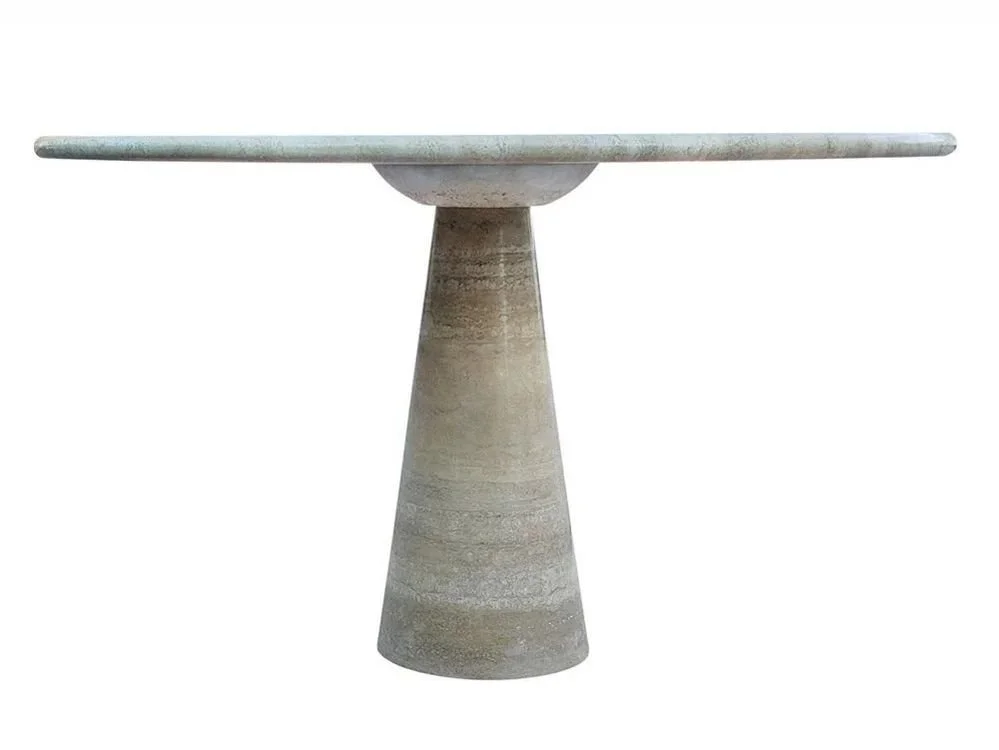
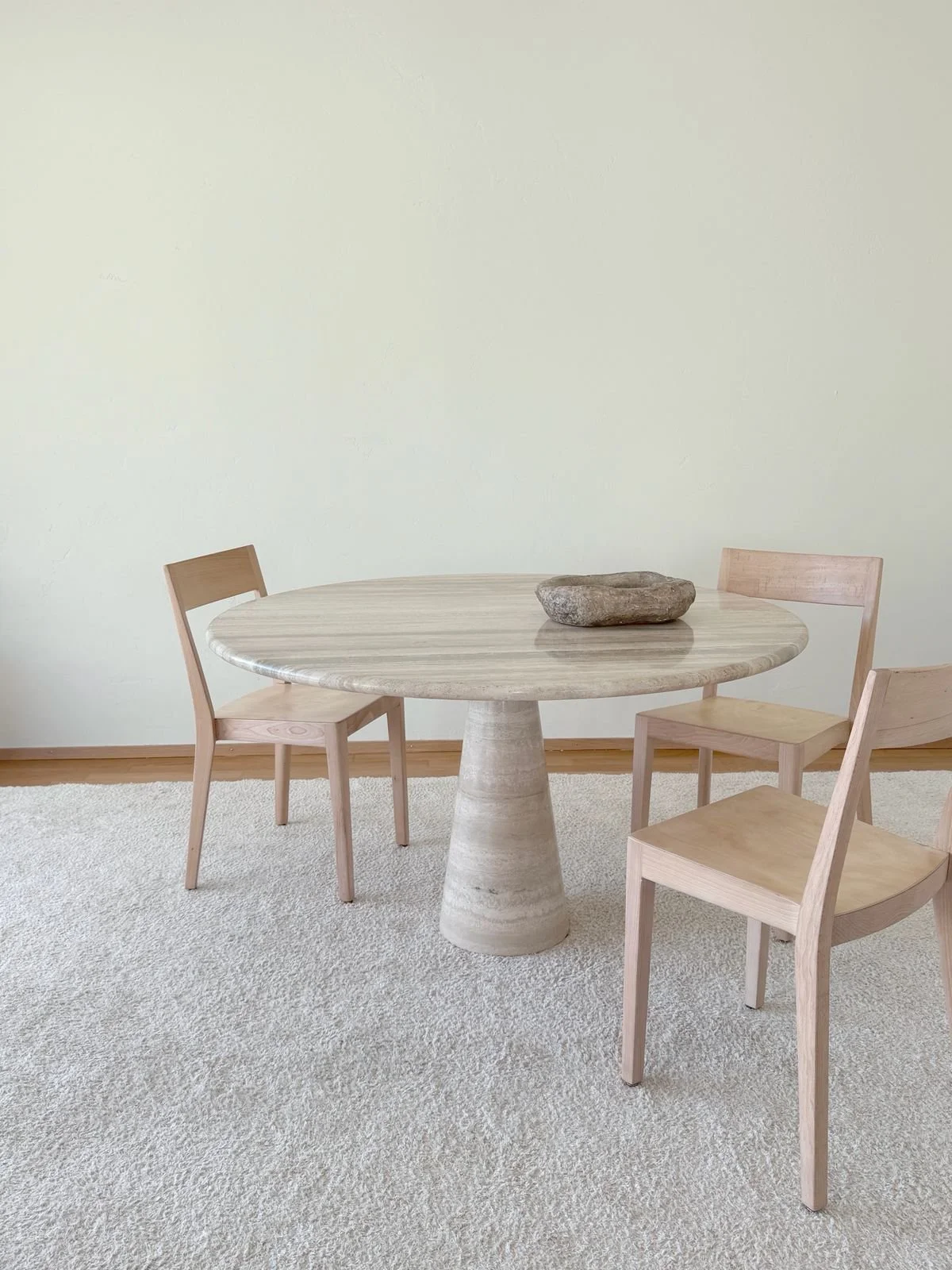
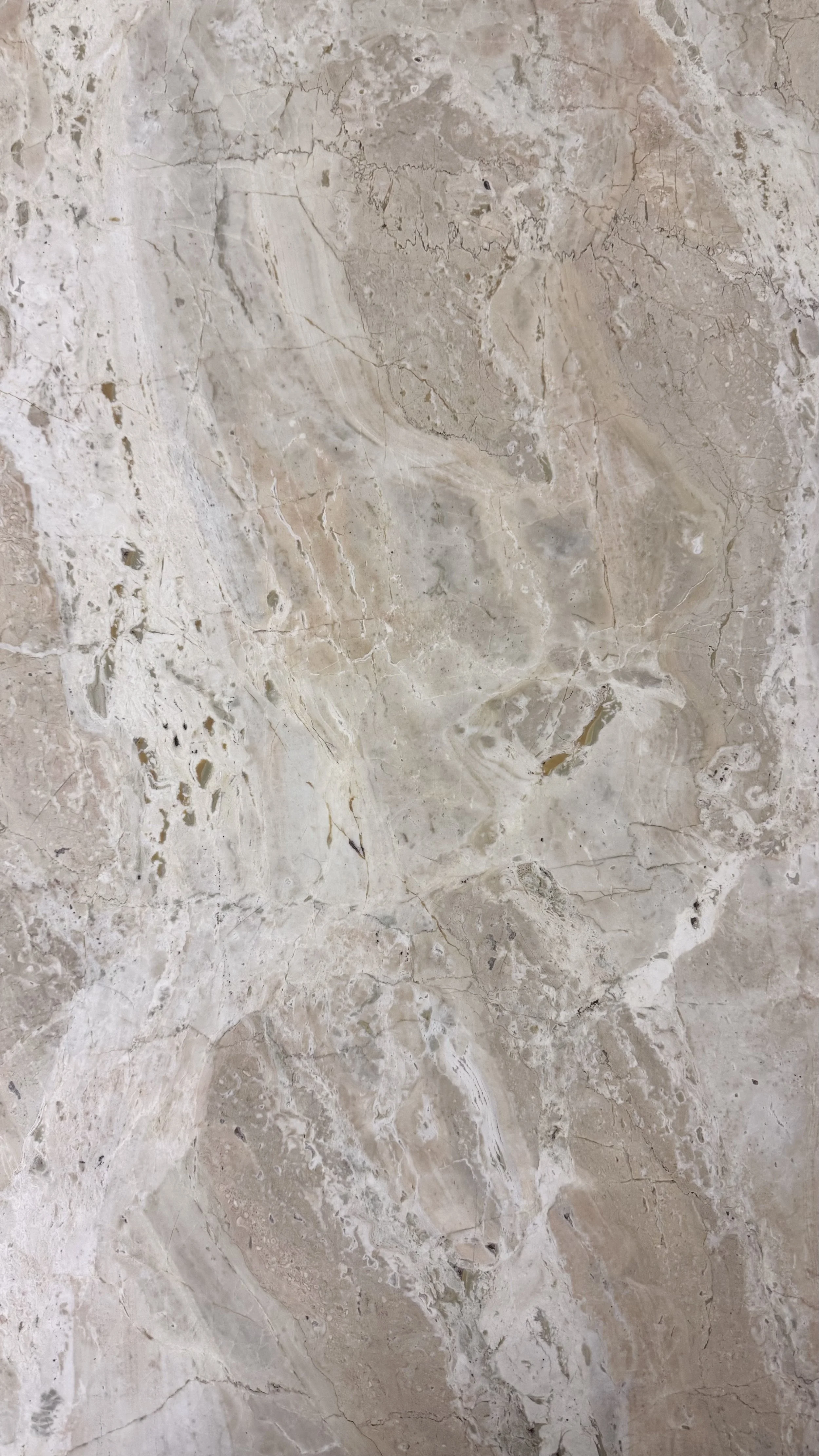
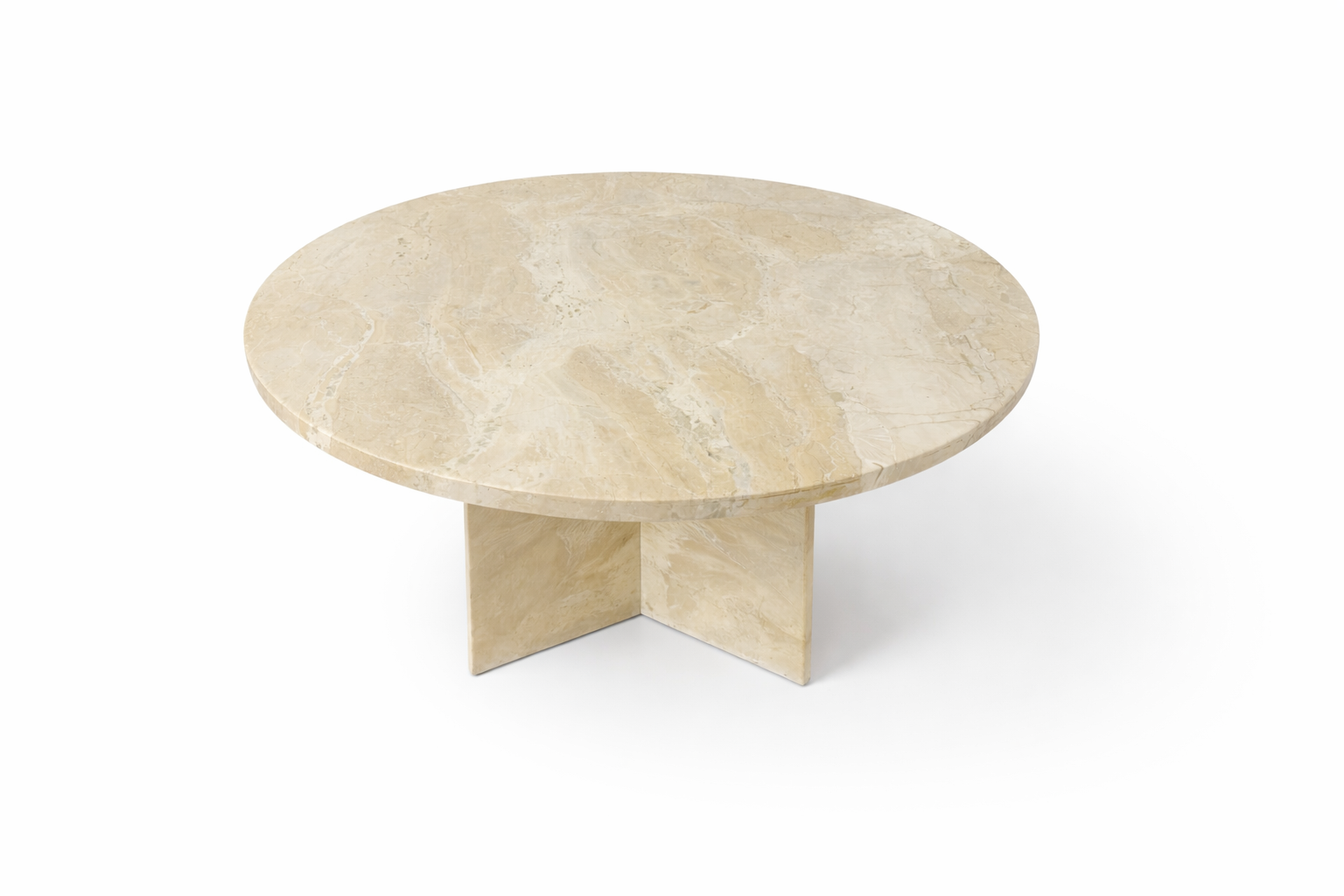
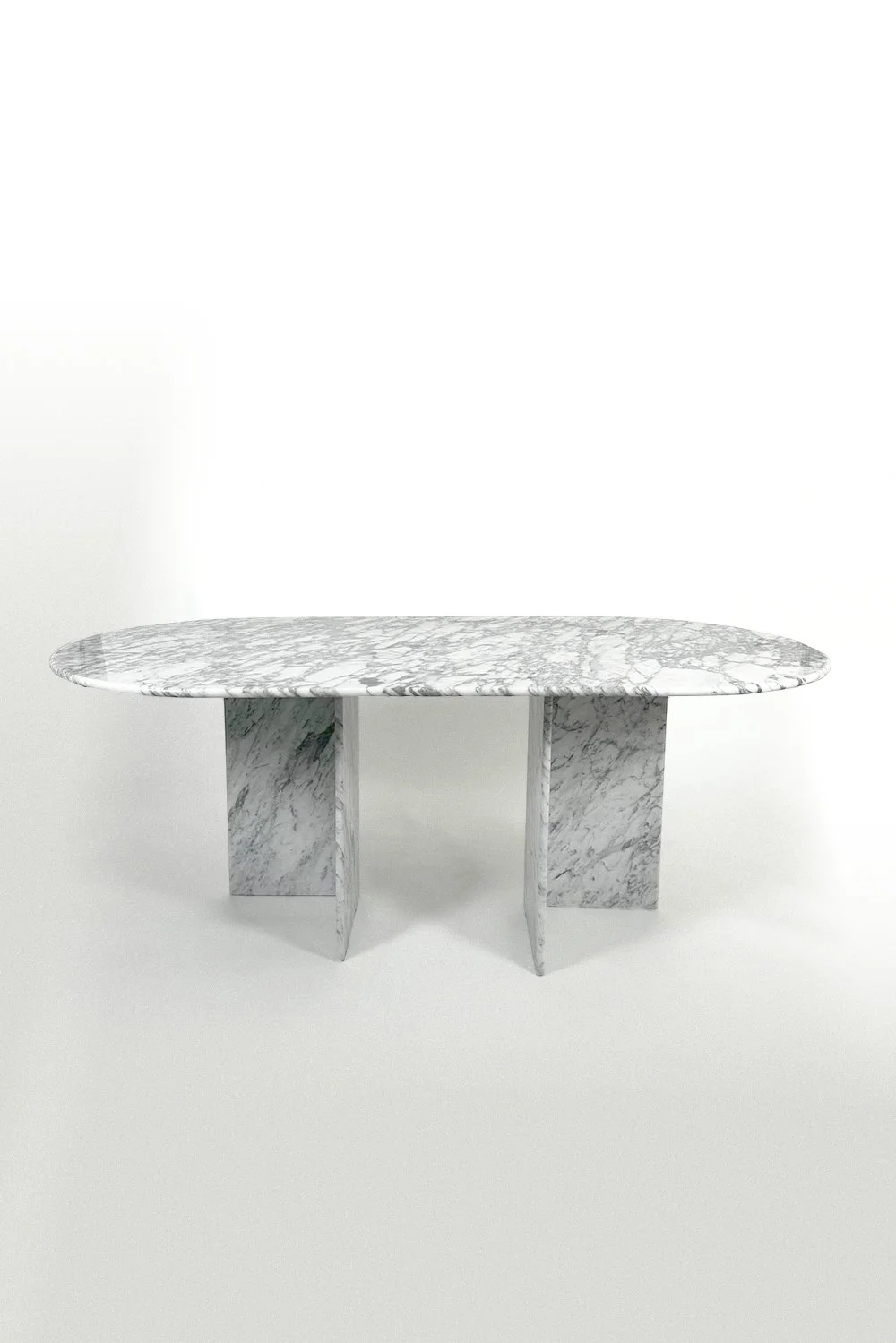
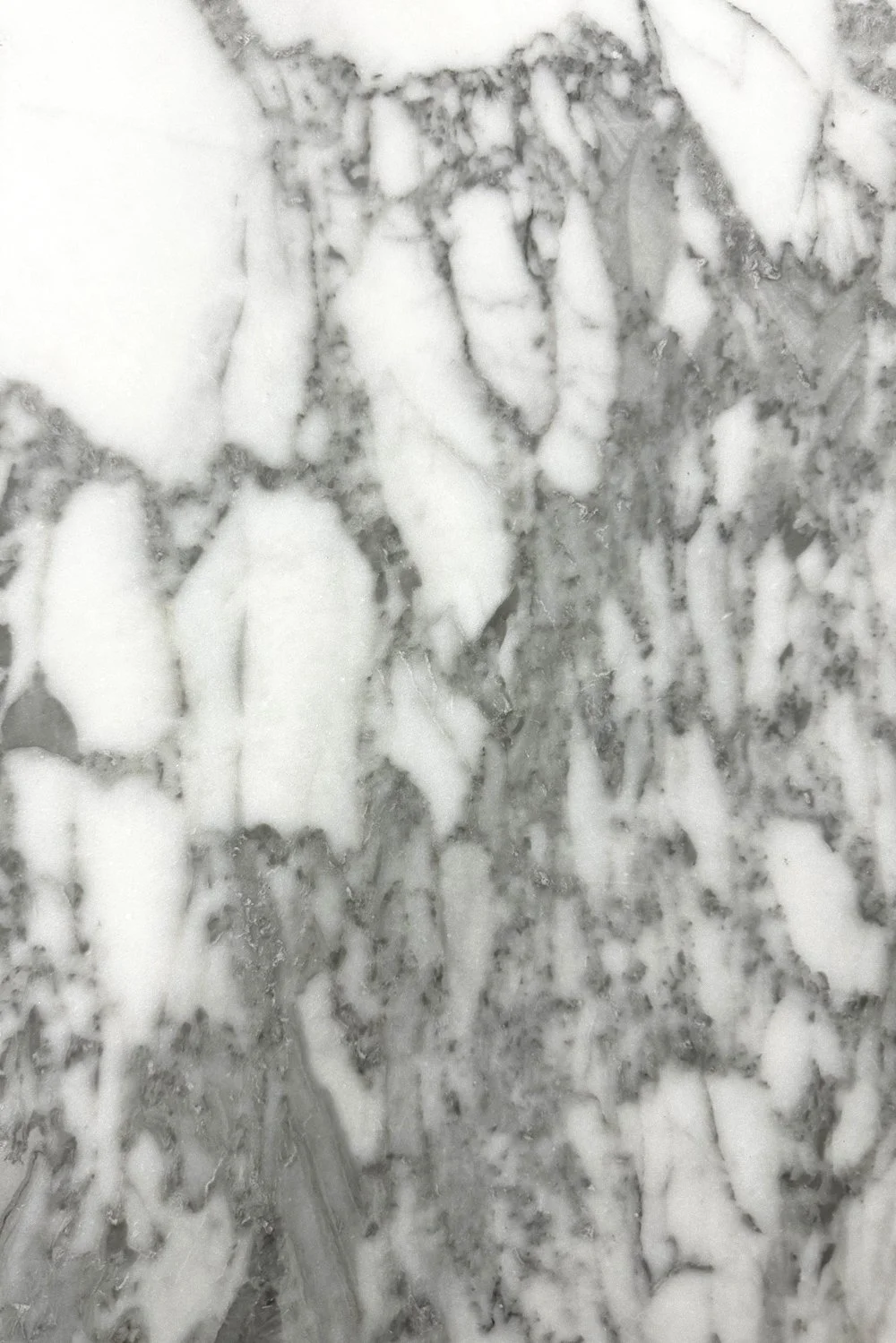
This rare oval dining table, executed entirely in Arabescato marble, represents the height of Italian postwar design, where the discipline of architecture and the sensuality of stone converge. Arabescato is not a neutral material: it is among Tuscany’s most coveted marbles, valued for its dramatic veining of soft greys that ripple across luminous white ground. In the realm of collectible design, the presence of Arabescato transforms any piece from functional object into cultural statement.
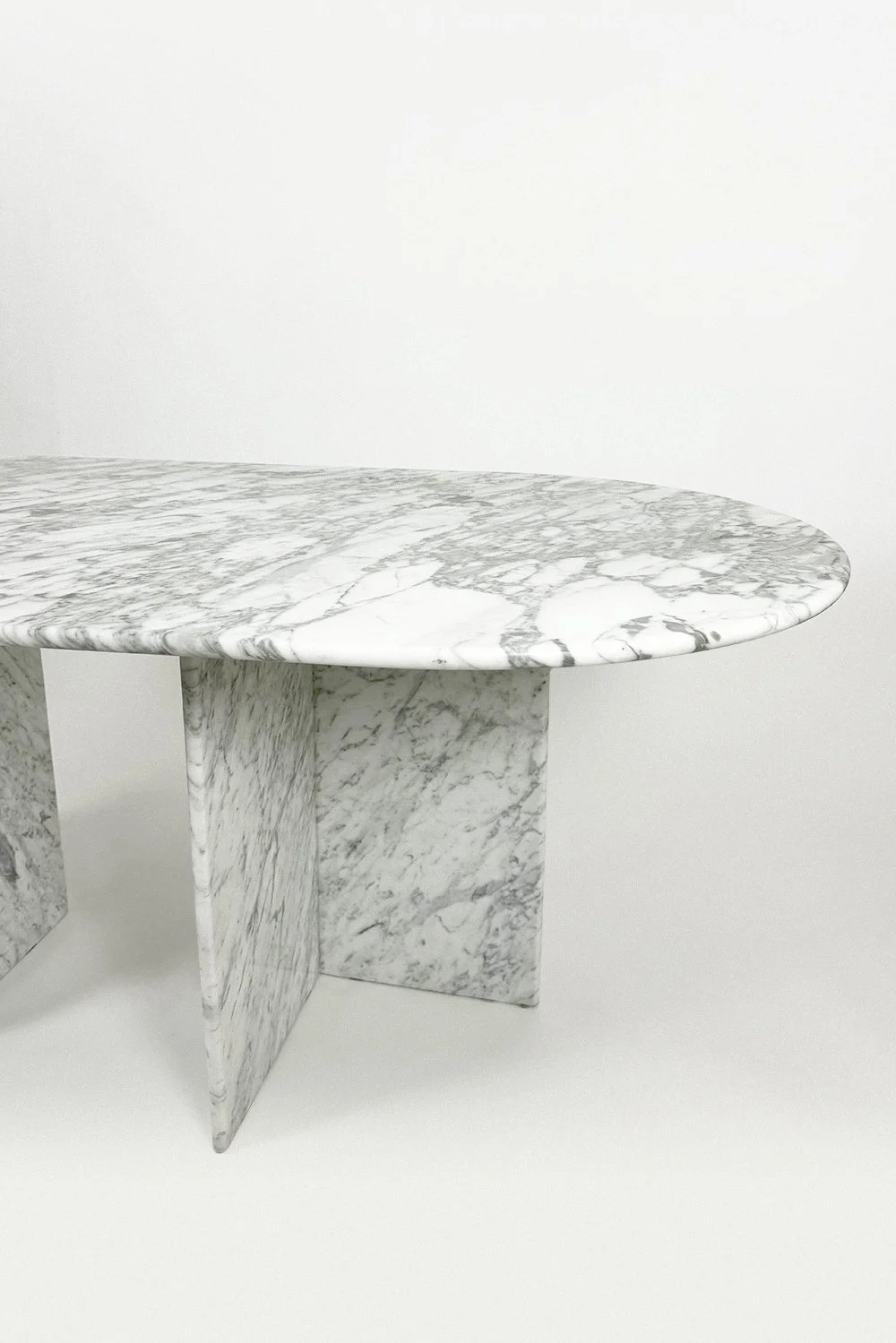
The table’s proportions reflect a language of balance and permanence. The elongated oval top, with its softened edges, is supported by two monolithic slab legs, an architectural gesture that anchors the piece in both stability and elegance. The 2 cm thickness retains a refined lightness, while allowing the stone’s natural surface to speak with authority. The veining flows seamlessly across planes, suggesting a continuity that collectors immediately recognize as both intentional and rare.
What distinguishes this table within the market is its duality: monumental yet minimal, timeless yet of its era. It resonates with the kind of interiors that embrace “quiet power” spaces curated not for trends, but for enduring presence. For collectors, Arabescato marble holds a unique appeal: it embodies scarcity, geological history, and Italian craftsmanship, all condensed into a single object.
Acquiring such a piece is not merely the purchase of furniture, but the integration of a sculptural work into daily life—an investment in both design history and the permanence of natural stone.
Measurements:
175 × 94 × 70.5 cm
2 cm (thickness)
About Arabescato Marble:
Quarried in limited deposits in Tuscany, Arabescato is among the rarest and most desirable marbles in the world. Historically reserved for architecture and monumental commissions, its graphic veining has become a symbol of connoisseurship in both art and design collections. Today, pieces realized in Arabescato occupy a privileged place in the market, not only for their visual impact but also for their rarity, qualities that continue to appreciate in value among discerning collectors.
This rare oval dining table, executed entirely in Arabescato marble, represents the height of Italian postwar design, where the discipline of architecture and the sensuality of stone converge. Arabescato is not a neutral material: it is among Tuscany’s most coveted marbles, valued for its dramatic veining of soft greys that ripple across luminous white ground. In the realm of collectible design, the presence of Arabescato transforms any piece from functional object into cultural statement.
The table’s proportions reflect a language of balance and permanence. The elongated oval top, with its softened edges, is supported by two monolithic slab legs, an architectural gesture that anchors the piece in both stability and elegance. The 2 cm thickness retains a refined lightness, while allowing the stone’s natural surface to speak with authority. The veining flows seamlessly across planes, suggesting a continuity that collectors immediately recognize as both intentional and rare.
What distinguishes this table within the market is its duality: monumental yet minimal, timeless yet of its era. It resonates with the kind of interiors that embrace “quiet power” spaces curated not for trends, but for enduring presence. For collectors, Arabescato marble holds a unique appeal: it embodies scarcity, geological history, and Italian craftsmanship, all condensed into a single object.
Acquiring such a piece is not merely the purchase of furniture, but the integration of a sculptural work into daily life—an investment in both design history and the permanence of natural stone.
Measurements:
175 × 94 × 70.5 cm
2 cm (thickness)
About Arabescato Marble:
Quarried in limited deposits in Tuscany, Arabescato is among the rarest and most desirable marbles in the world. Historically reserved for architecture and monumental commissions, its graphic veining has become a symbol of connoisseurship in both art and design collections. Today, pieces realized in Arabescato occupy a privileged place in the market, not only for their visual impact but also for their rarity, qualities that continue to appreciate in value among discerning collectors.
These are antique pieces and are sold as such. Although VV does its best to highlight major flaws, minor imperfections should be expected reflecting the age and previous use of the piece.