These are antique pieces and are sold as such. Although VV does its best to highlight major flaws, minor imperfections should be expected reflecting the age and previous use of the piece.
A Functional Sculpture of Postwar Italian Design
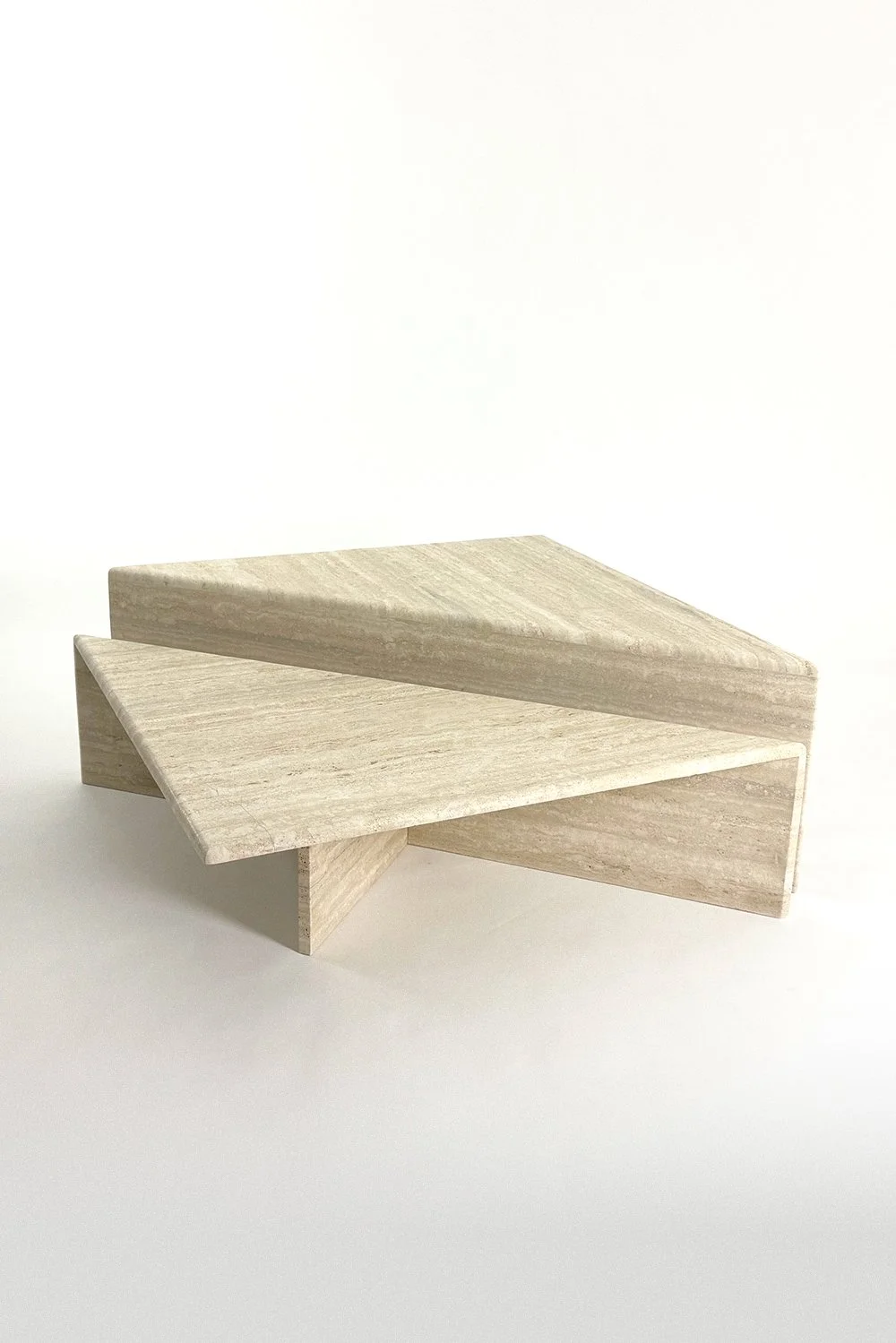
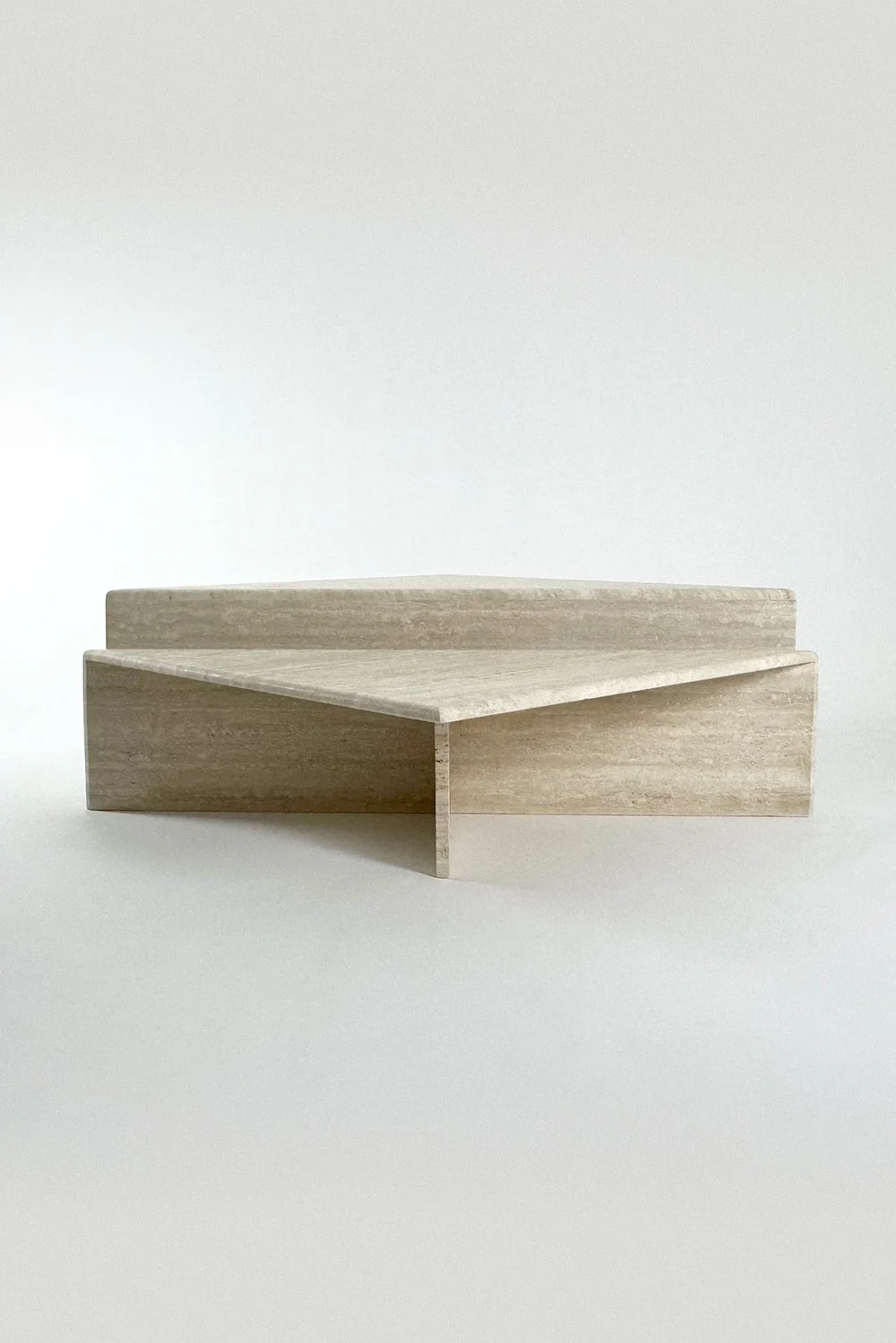
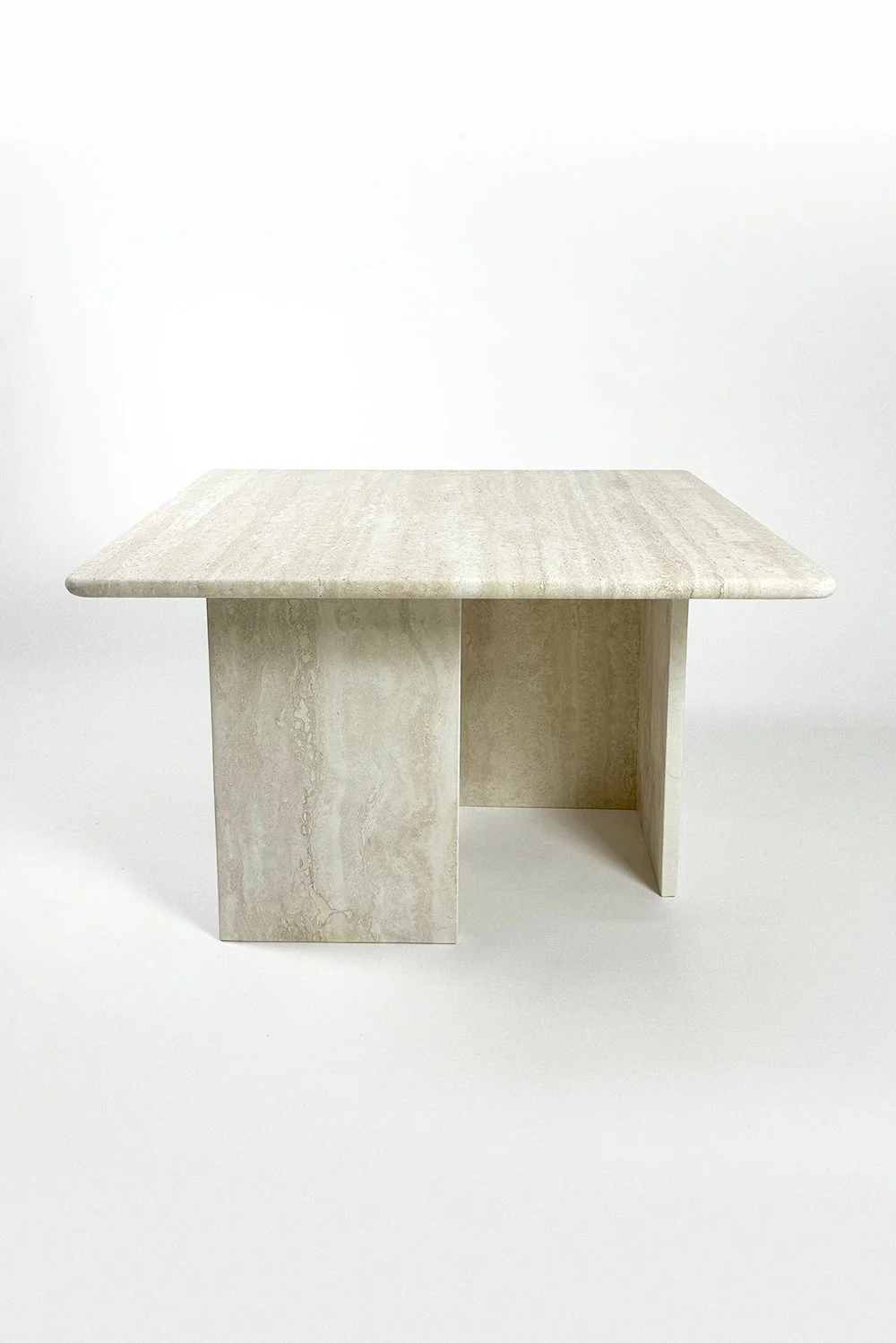
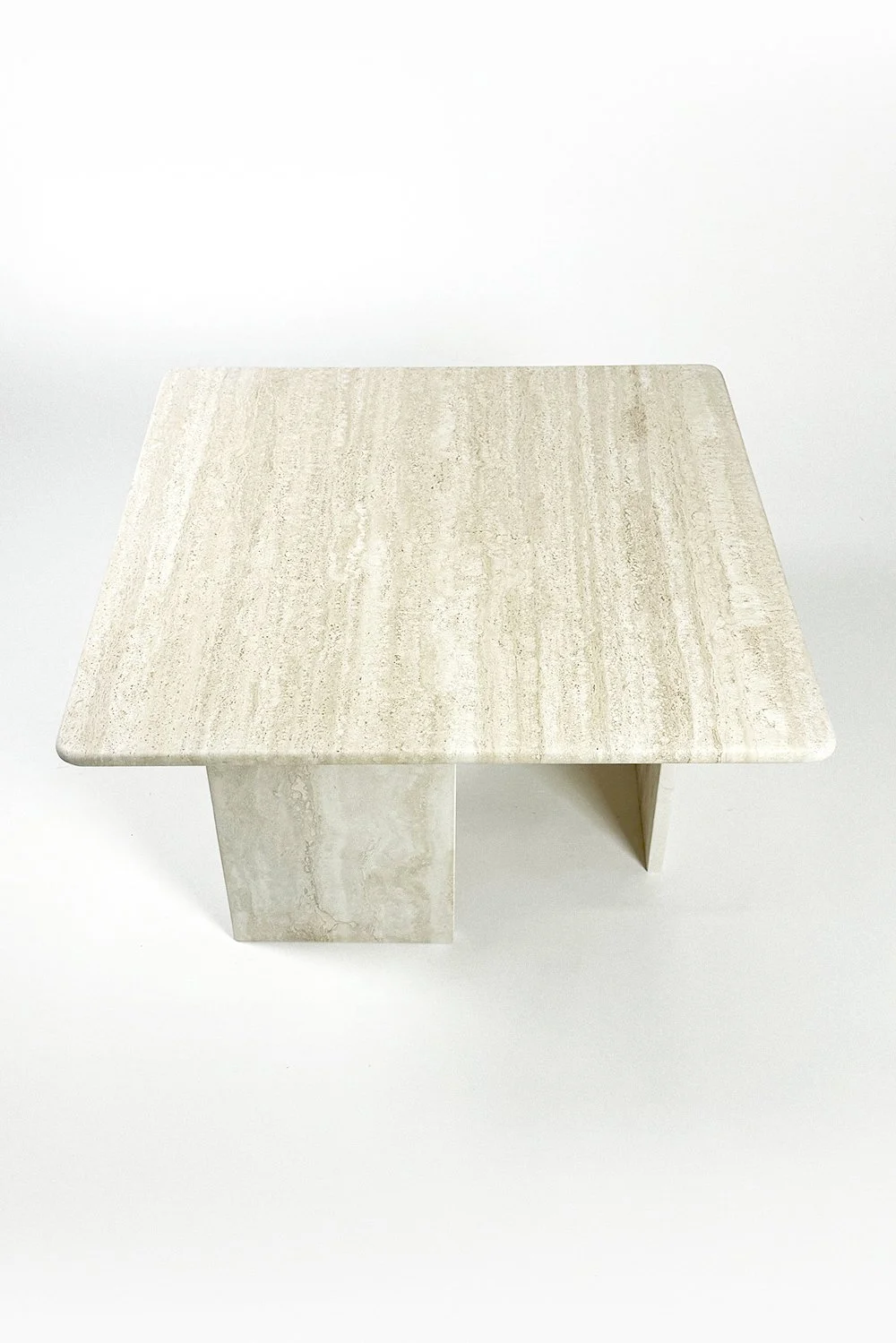
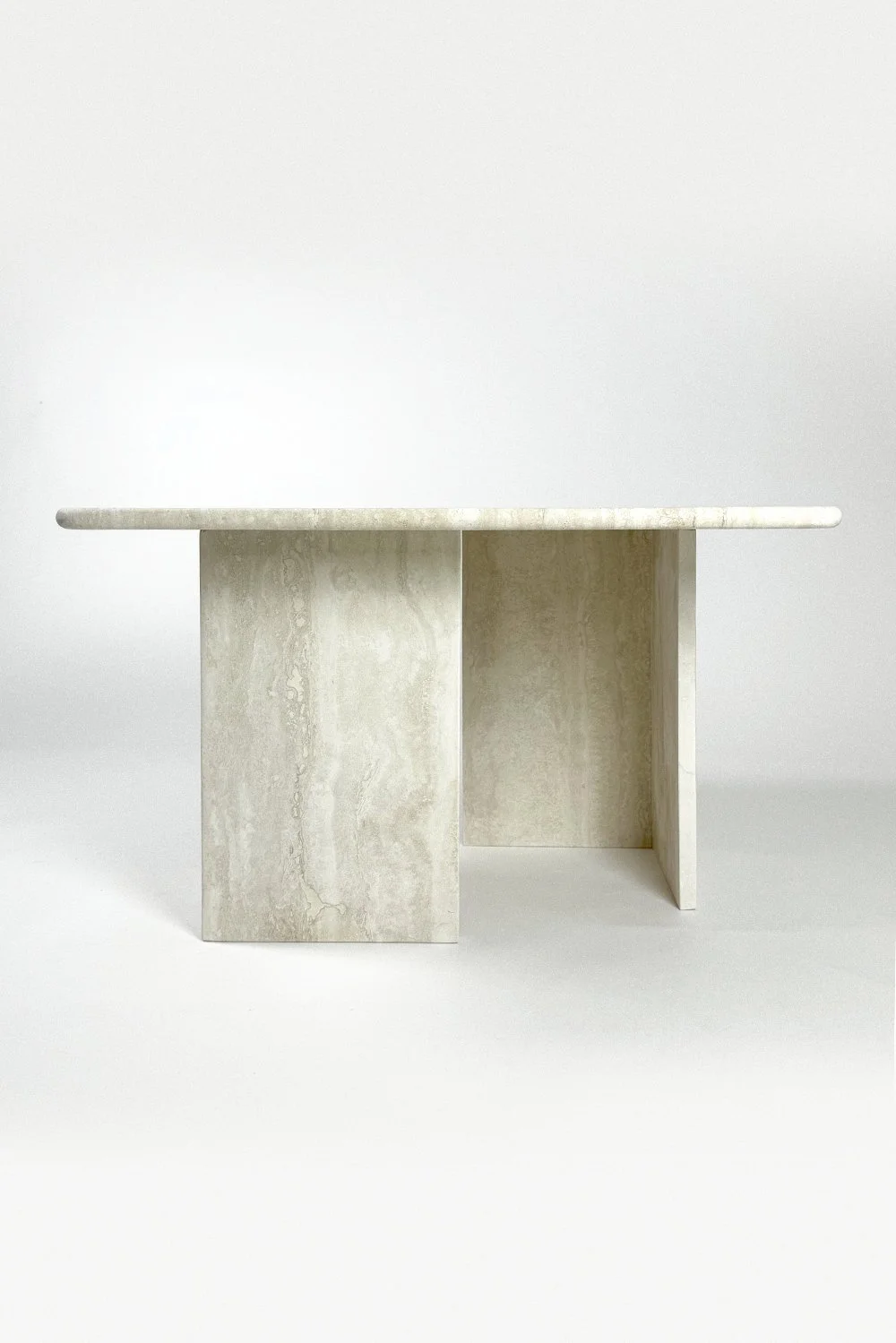
This exceptional set of three Italian travertine side tables from the 1970s exemplifies the architectural clarity and material honesty that define postwar Italian design. Rooted in essential geometry and sculptural restraint, the composition achieves a timeless balance between monumentality and functionality.
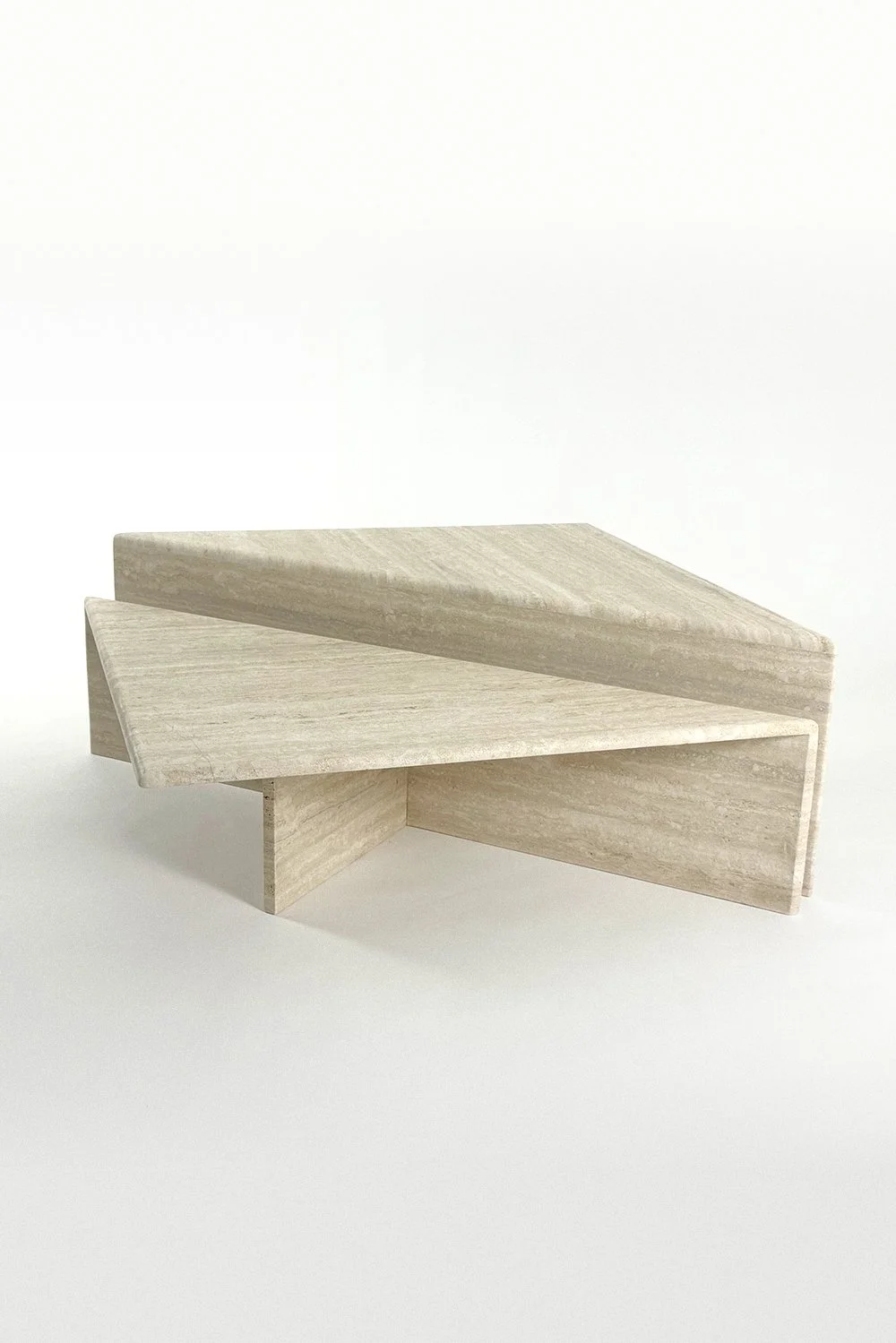
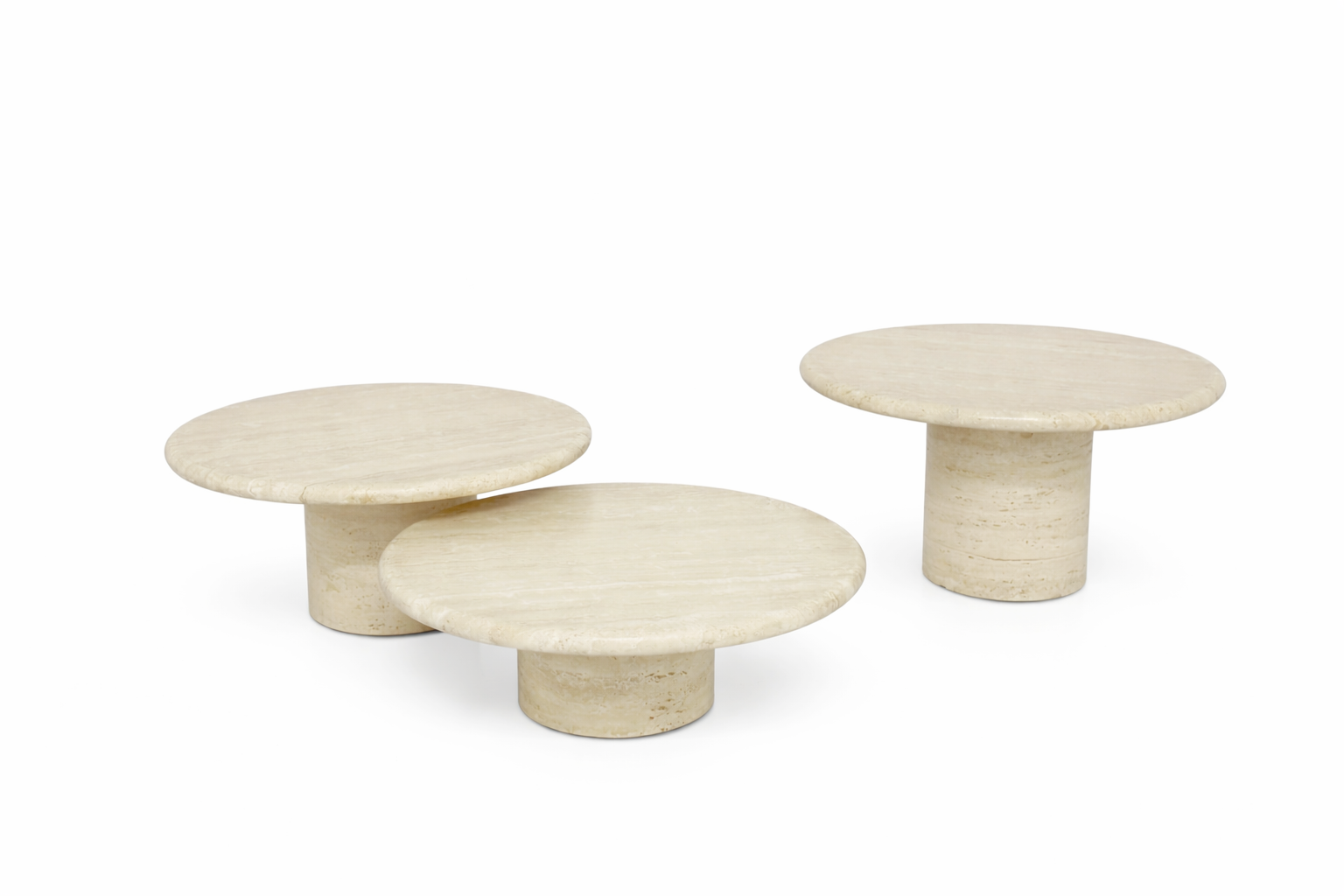
Carved entirely from solid travertine, each table features a softly profiled circular top resting on a cylindrical monolithic base. The proportions are deliberately compact yet visually powerful, allowing the natural material to speak with quiet authority. Together, the three varying heights create a dynamic, tiered landscape that enhances spatial depth and compositional flexibility.
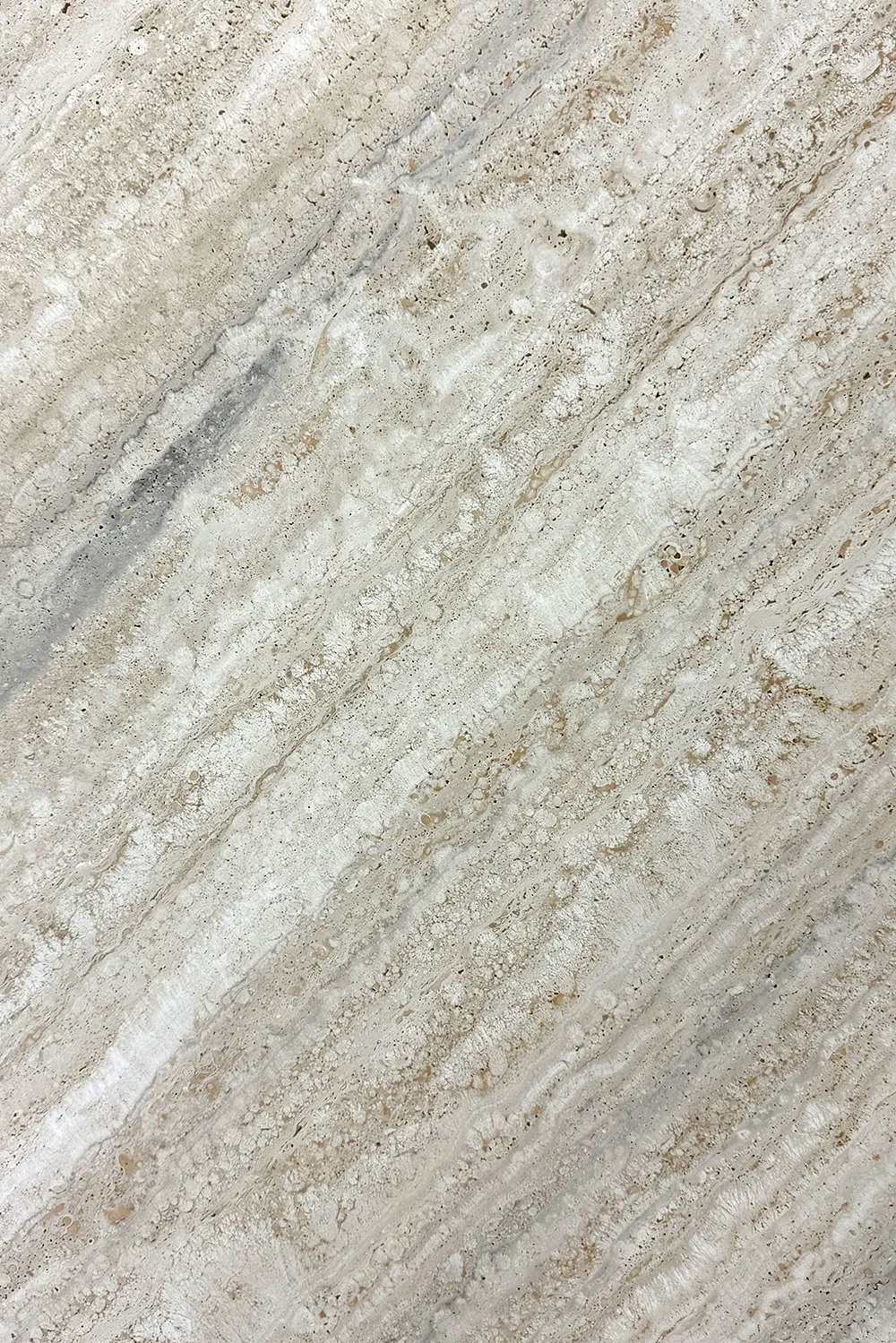
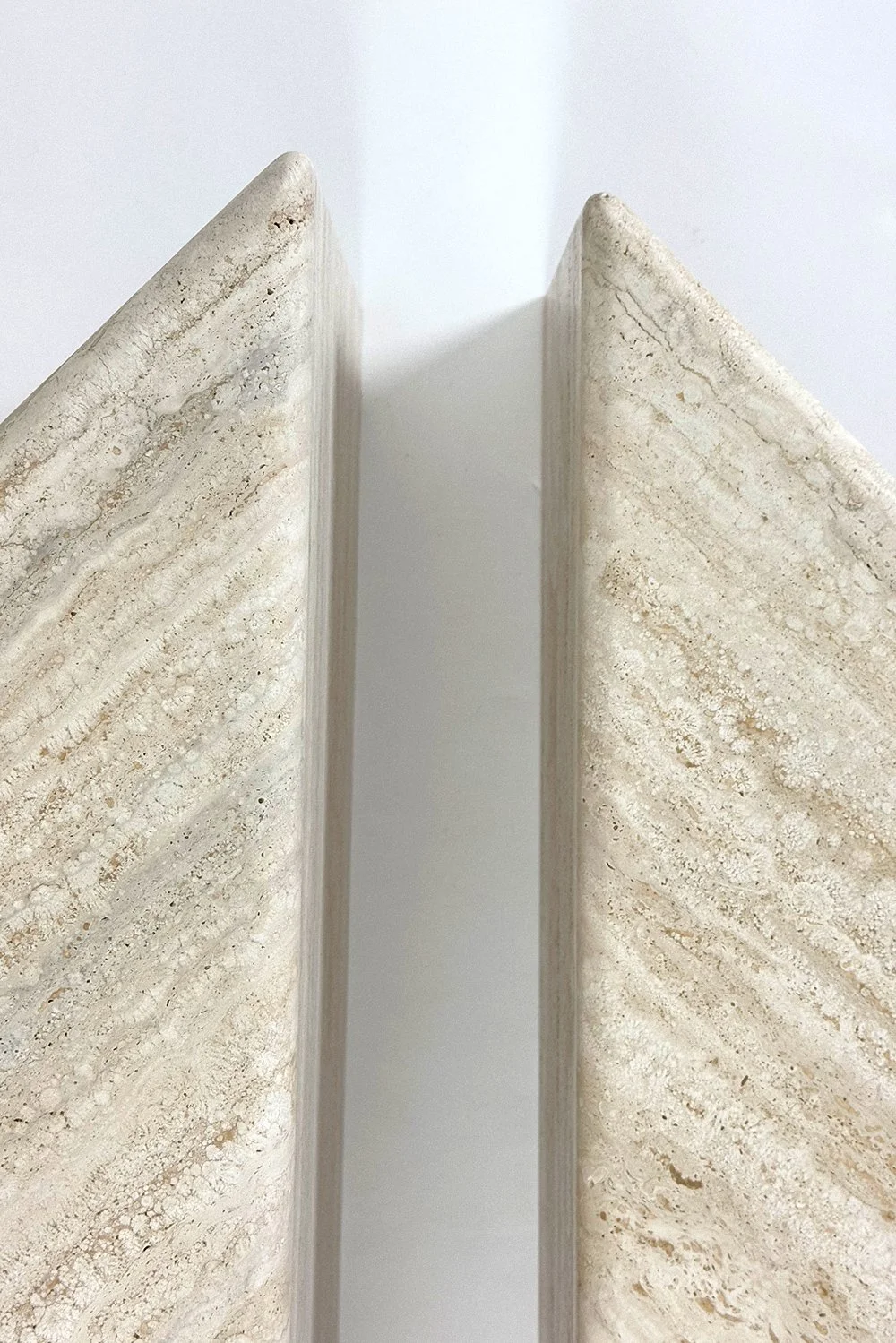
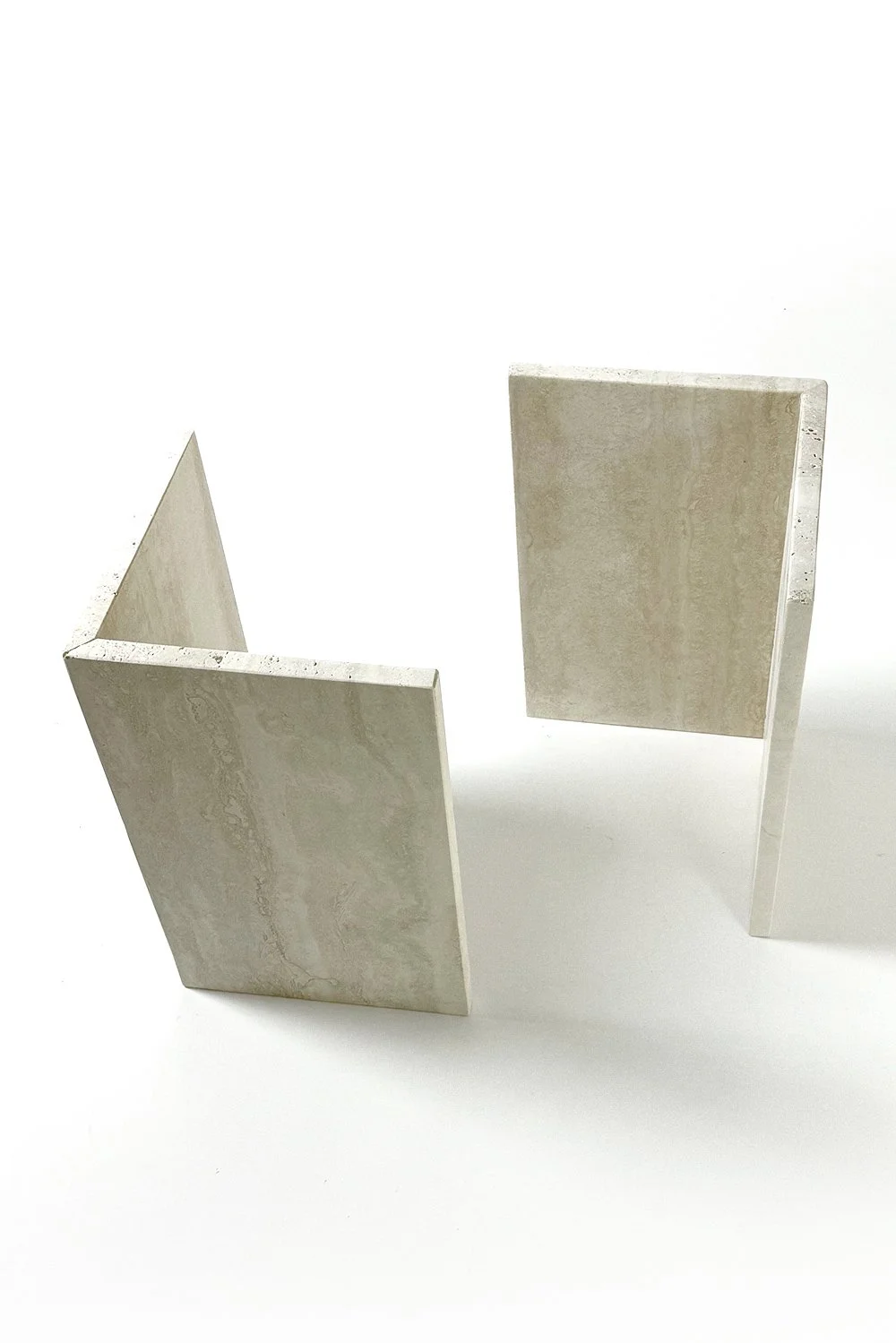
The travertine reveals refined natural stratifications in warm ivory, sand, and toasted beige tones. Subtle horizontal veining and organic textural variations give each table a unique identity while maintaining a cohesive aesthetic harmony across the set.
Whether arranged as a sculptural cluster or placed individually throughout an interior, the tables integrate seamlessly into contemporary spaces, modernist environments, or curated design collections. Their architectural silhouette and authentic materiality elevate them beyond functional objects, positioning them as collectible design pieces.
Faithful to the spirit of 1970s Italian design — clarity of form, integrity of material, and understated elegance — this set stands as a refined example of architectural stone furniture with enduring relevance.
Measurements
Table 1: Height 22 cm · Diameter 60 cm
Table 2: Height 28 cm · Diameter 60 cm
Table 3: Height 35 cm · Diameter 60 cm
About Travertine
Travertine holds a distinguished place in architectural and design history, valued for its natural luminosity, stratified veining, and organic texture. From classical antiquity to 20th-century modernism, it has symbolized permanence, refinement, and structural purity. For architects, designers, and discerning collectors, travertine remains a material of enduring sophistication and timeless appeal.
A Functional Sculpture of Postwar Italian Design
This exceptional set of three Italian travertine side tables from the 1970s exemplifies the architectural clarity and material honesty that define postwar Italian design. Rooted in essential geometry and sculptural restraint, the composition achieves a timeless balance between monumentality and functionality.
Carved entirely from solid travertine, each table features a softly profiled circular top resting on a cylindrical monolithic base. The proportions are deliberately compact yet visually powerful, allowing the natural material to speak with quiet authority. Together, the three varying heights create a dynamic, tiered landscape that enhances spatial depth and compositional flexibility.
The travertine reveals refined natural stratifications in warm ivory, sand, and toasted beige tones. Subtle horizontal veining and organic textural variations give each table a unique identity while maintaining a cohesive aesthetic harmony across the set.
Whether arranged as a sculptural cluster or placed individually throughout an interior, the tables integrate seamlessly into contemporary spaces, modernist environments, or curated design collections. Their architectural silhouette and authentic materiality elevate them beyond functional objects, positioning them as collectible design pieces.
Faithful to the spirit of 1970s Italian design — clarity of form, integrity of material, and understated elegance — this set stands as a refined example of architectural stone furniture with enduring relevance.
Measurements
Table 1: Height 22 cm · Diameter 60 cm
Table 2: Height 28 cm · Diameter 60 cm
Table 3: Height 35 cm · Diameter 60 cm
About Travertine
Travertine holds a distinguished place in architectural and design history, valued for its natural luminosity, stratified veining, and organic texture. From classical antiquity to 20th-century modernism, it has symbolized permanence, refinement, and structural purity. For architects, designers, and discerning collectors, travertine remains a material of enduring sophistication and timeless appeal.
These are antique pieces and are sold as such. Although VV does its best to highlight major flaws, minor imperfections should be expected reflecting the age and previous use of the piece.