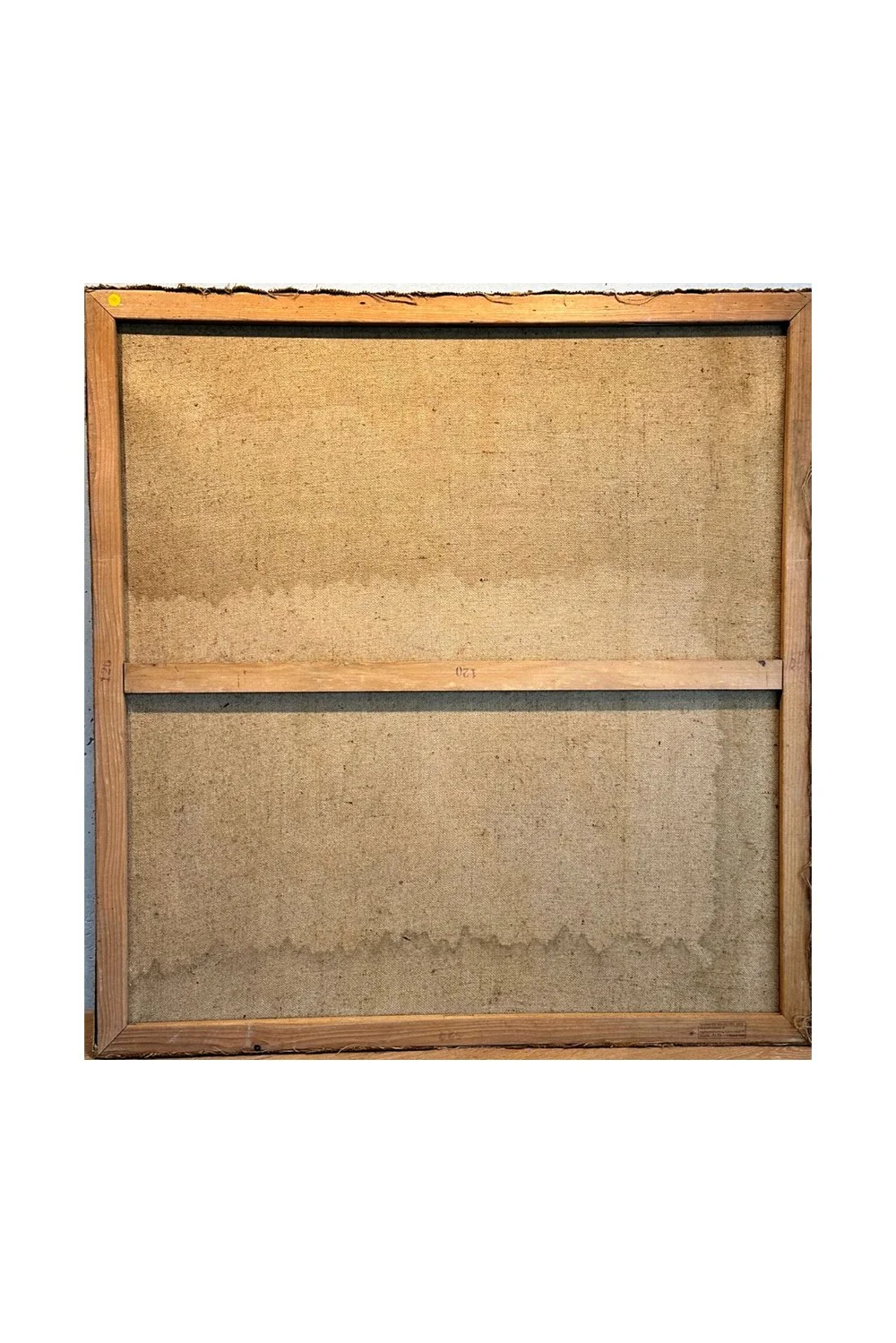
These are antique pieces and are sold as such. Although VV does its best to highlight major flaws, minor imperfections should be expected reflecting the age and previous use of the piece.
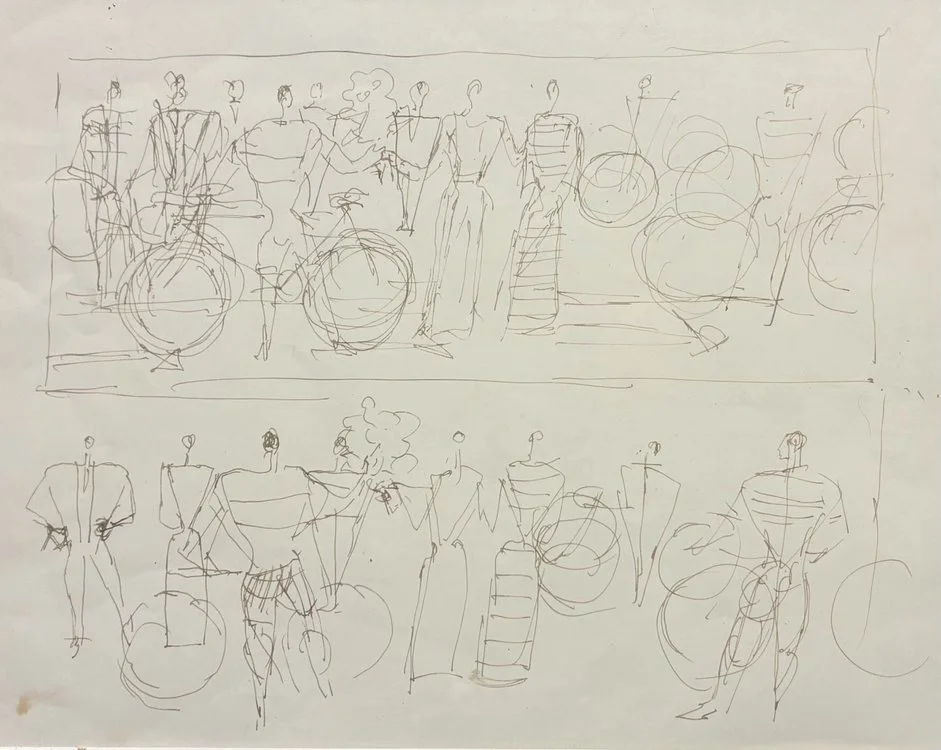
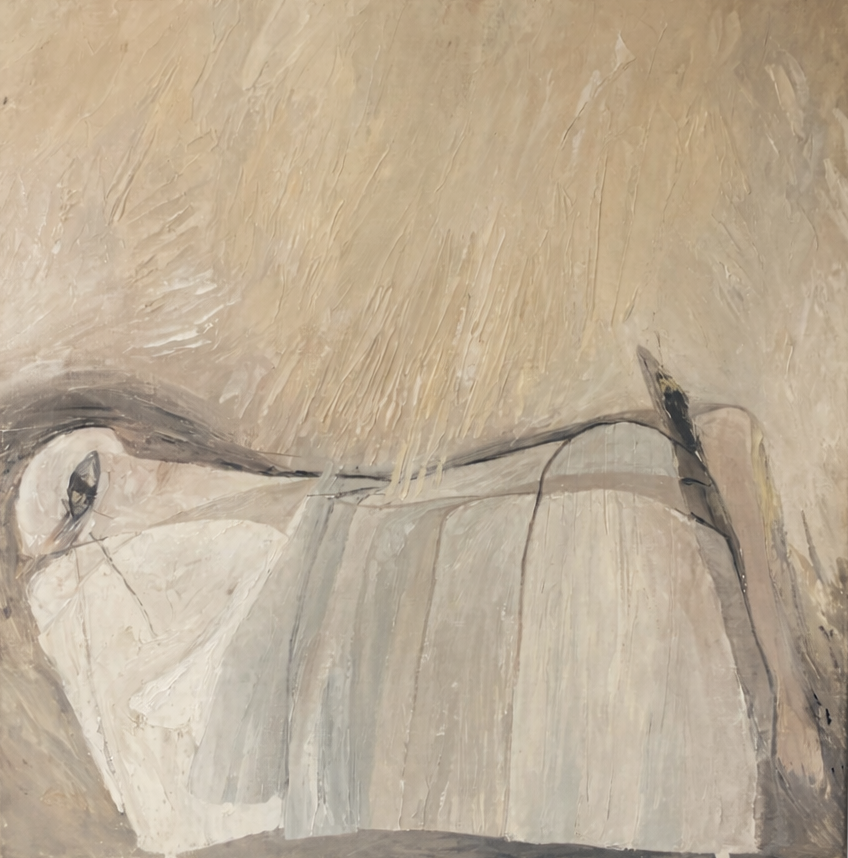
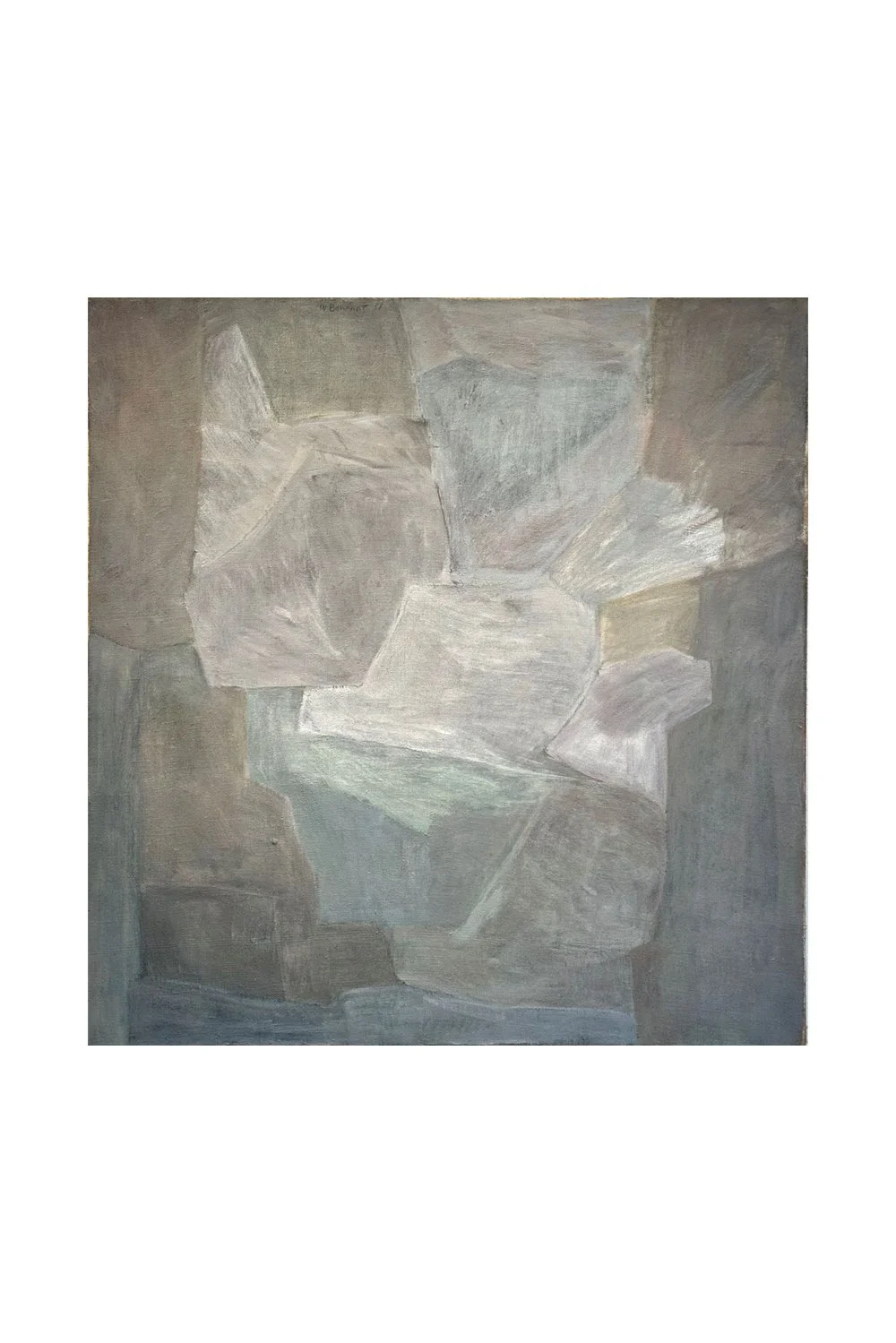
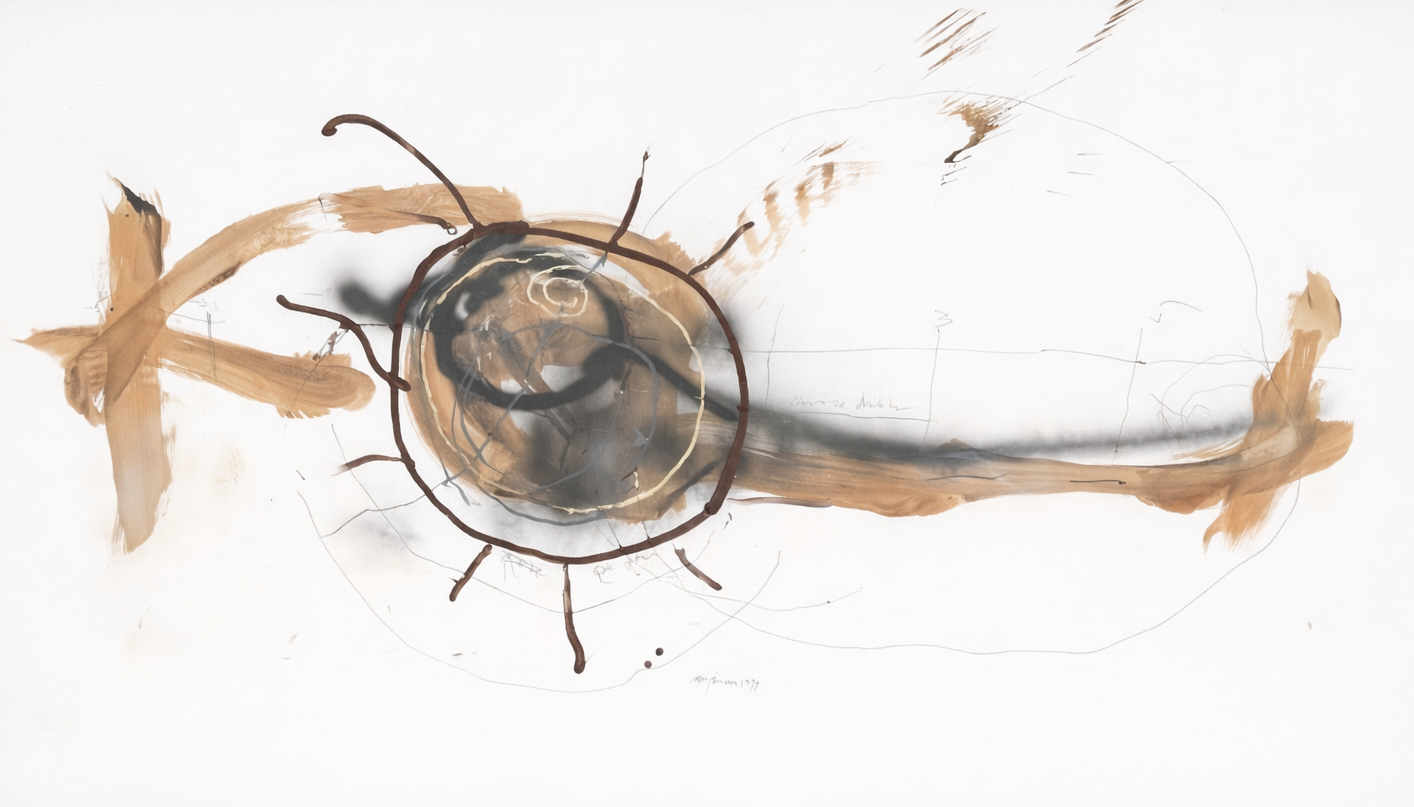
This large-format mixed media work by Swiss artist Daniel Gamperle (b. 1954) reveals a powerful exploration of gesture, material, and spatial tension, where painterly expression meets structural intent.
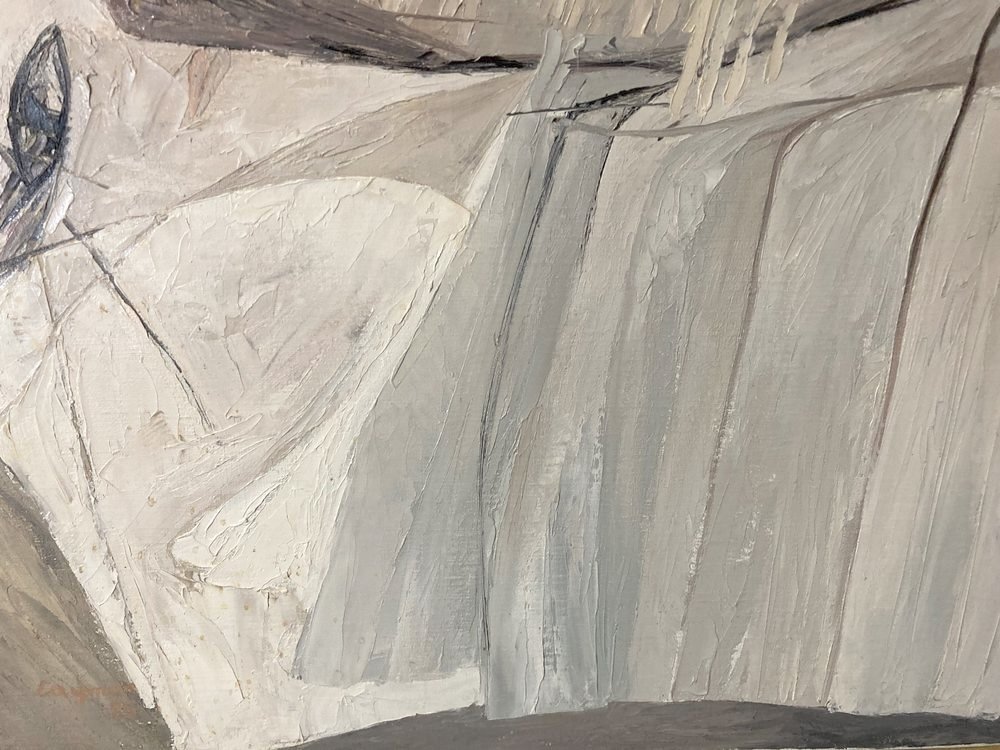
Centered around a dense, circular core, the composition unfolds through sweeping, horizontal movements and branching linear extensions. The interplay between fluid brushwork and delicate, almost diagrammatic lines creates a dynamic field in which control and spontaneity coexist. The central form—suggestive of an eye or nucleus—anchors the composition, while the surrounding marks evoke both organic growth and mechanical schematics.
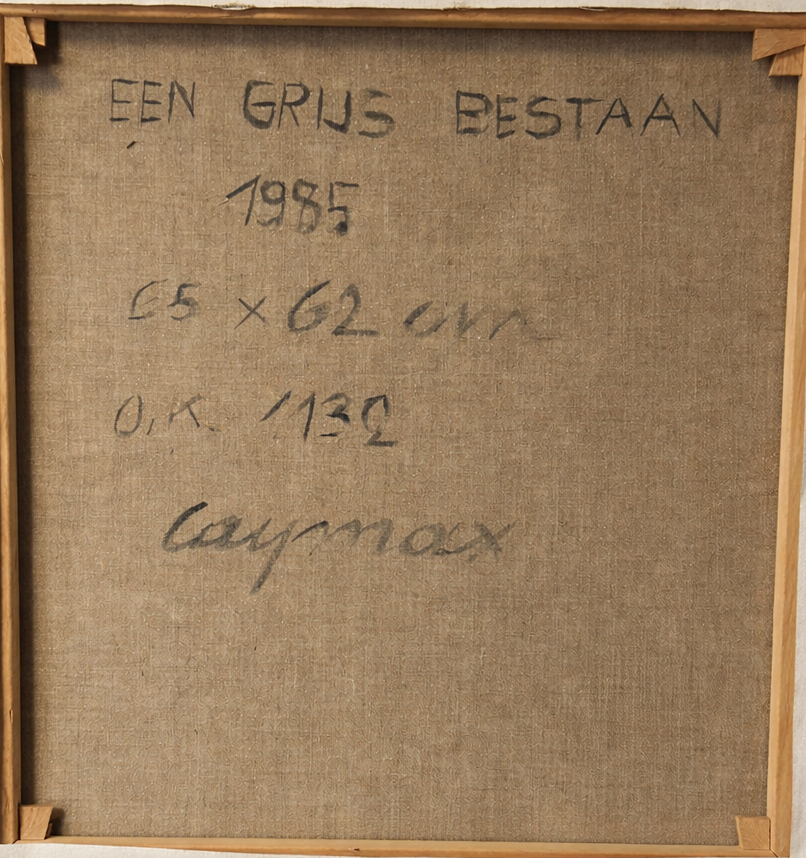
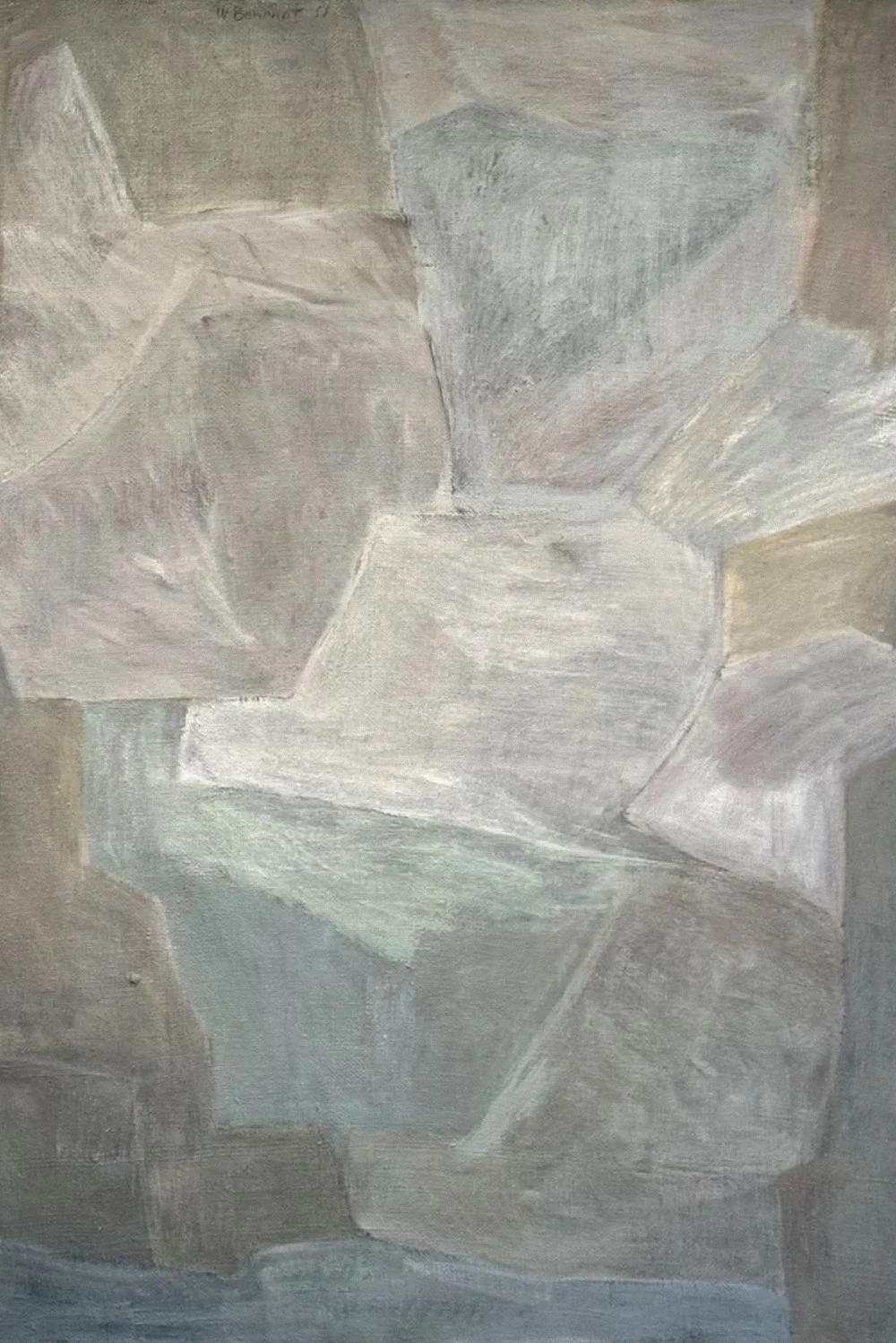
Gamperle’s use of restrained, earthy tones reinforces the material presence of the work, allowing texture and gesture to take precedence over color. Subtle inscriptions and faint construction lines further emphasize the process-driven nature of the piece, offering insight into the artist’s method while maintaining an overall sense of balance and cohesion.
The result is a work that navigates between abstraction and suggestion, embodying a visual language that is at once intuitive and deliberate. It situates itself within the broader discourse of postwar European abstraction, where materiality, reduction, and spatial inquiry play central roles.
For collectors, this piece represents a compelling example of Gamperle’s large-scale practice, particularly appealing to those interested in gestural abstraction, mixed media processes, and the dialogue between structure and expressive form.
Measurements
194 x 99 cm
About the Artist
Daniel Gamperle (b. 1954) is a Swiss artist whose work explores the intersection of gesture, structure, and materiality. Working primarily in mixed media, he develops compositions that balance expressive mark-making with underlying systems of order. His practice reflects an ongoing investigation into space, tension, and the relationship between organic forms and constructed frameworks, positioning his work within the lineage of postwar European abstraction.
This large-format mixed media work by Swiss artist Daniel Gamperle (b. 1954) reveals a powerful exploration of gesture, material, and spatial tension, where painterly expression meets structural intent.
Centered around a dense, circular core, the composition unfolds through sweeping, horizontal movements and branching linear extensions. The interplay between fluid brushwork and delicate, almost diagrammatic lines creates a dynamic field in which control and spontaneity coexist. The central form—suggestive of an eye or nucleus—anchors the composition, while the surrounding marks evoke both organic growth and mechanical schematics.
Gamperle’s use of restrained, earthy tones reinforces the material presence of the work, allowing texture and gesture to take precedence over color. Subtle inscriptions and faint construction lines further emphasize the process-driven nature of the piece, offering insight into the artist’s method while maintaining an overall sense of balance and cohesion.
The result is a work that navigates between abstraction and suggestion, embodying a visual language that is at once intuitive and deliberate. It situates itself within the broader discourse of postwar European abstraction, where materiality, reduction, and spatial inquiry play central roles.
For collectors, this piece represents a compelling example of Gamperle’s large-scale practice, particularly appealing to those interested in gestural abstraction, mixed media processes, and the dialogue between structure and expressive form.
Measurements
194 x 99 cm
About the Artist
Daniel Gamperle (b. 1954) is a Swiss artist whose work explores the intersection of gesture, structure, and materiality. Working primarily in mixed media, he develops compositions that balance expressive mark-making with underlying systems of order. His practice reflects an ongoing investigation into space, tension, and the relationship between organic forms and constructed frameworks, positioning his work within the lineage of postwar European abstraction.
These are antique pieces and are sold as such. Although VV does its best to highlight major flaws, minor imperfections should be expected reflecting the age and previous use of the piece.