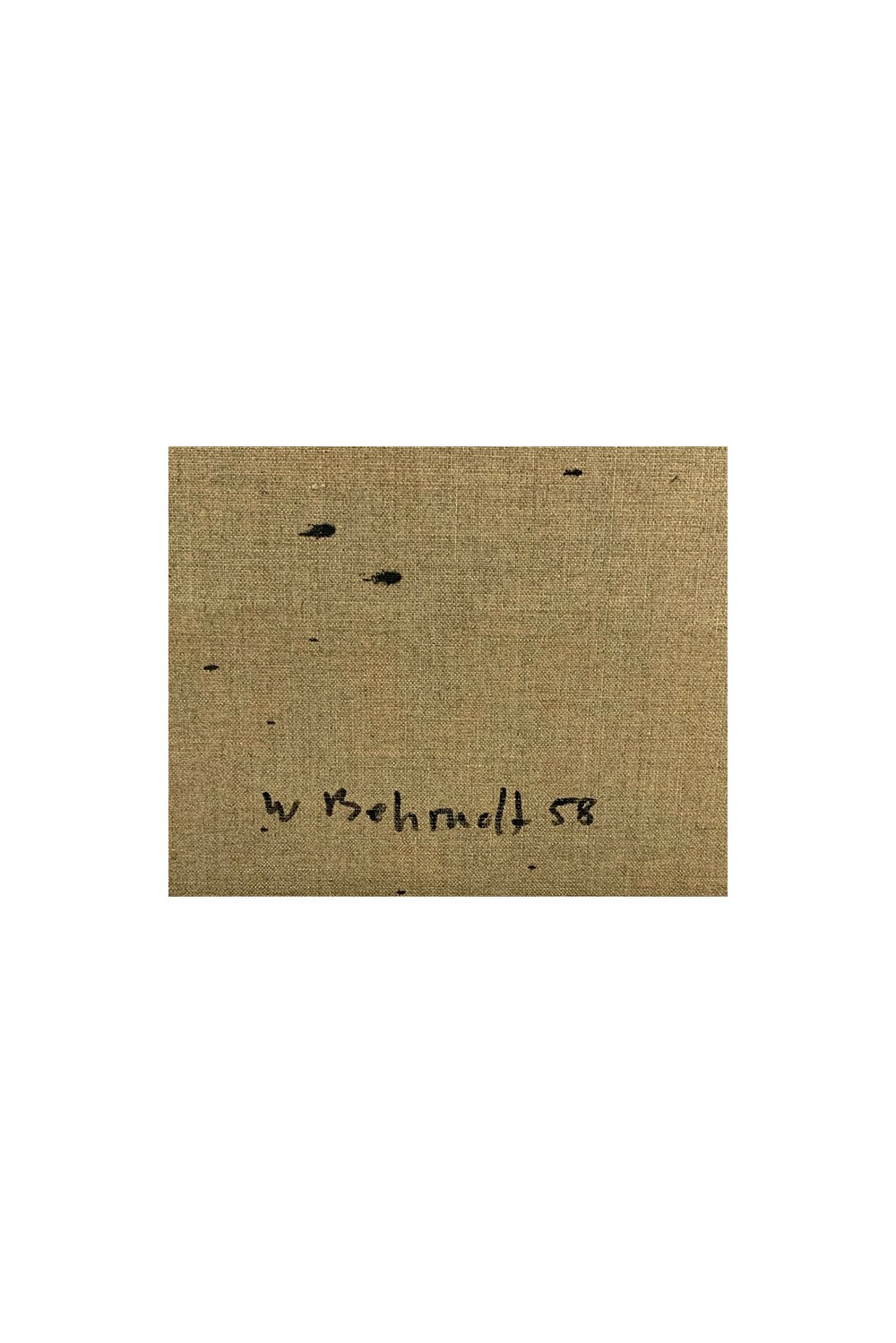
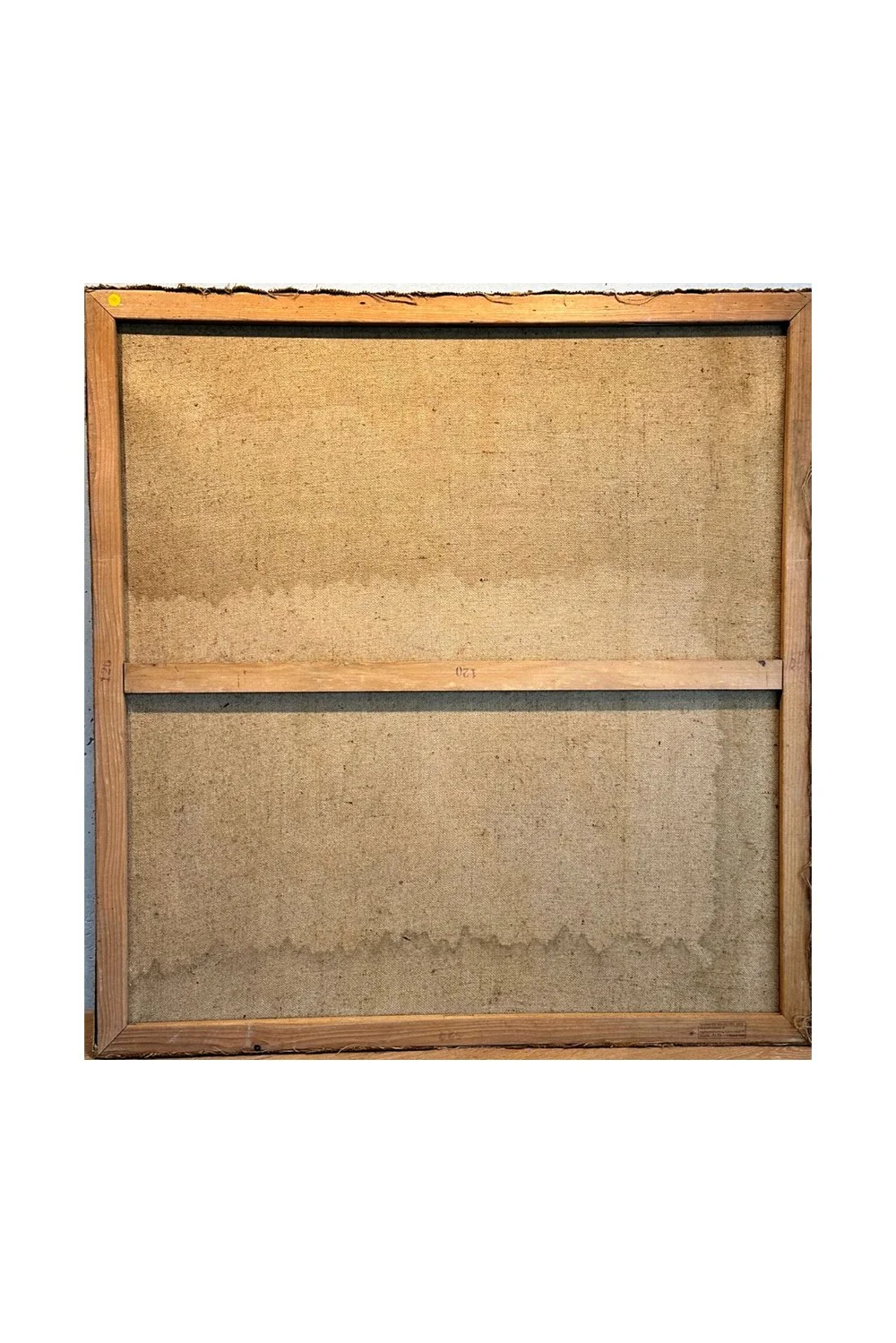
These are antique pieces and are sold as such. Although VV does its best to highlight major flaws, minor imperfections should be expected reflecting the age and previous use of the piece.
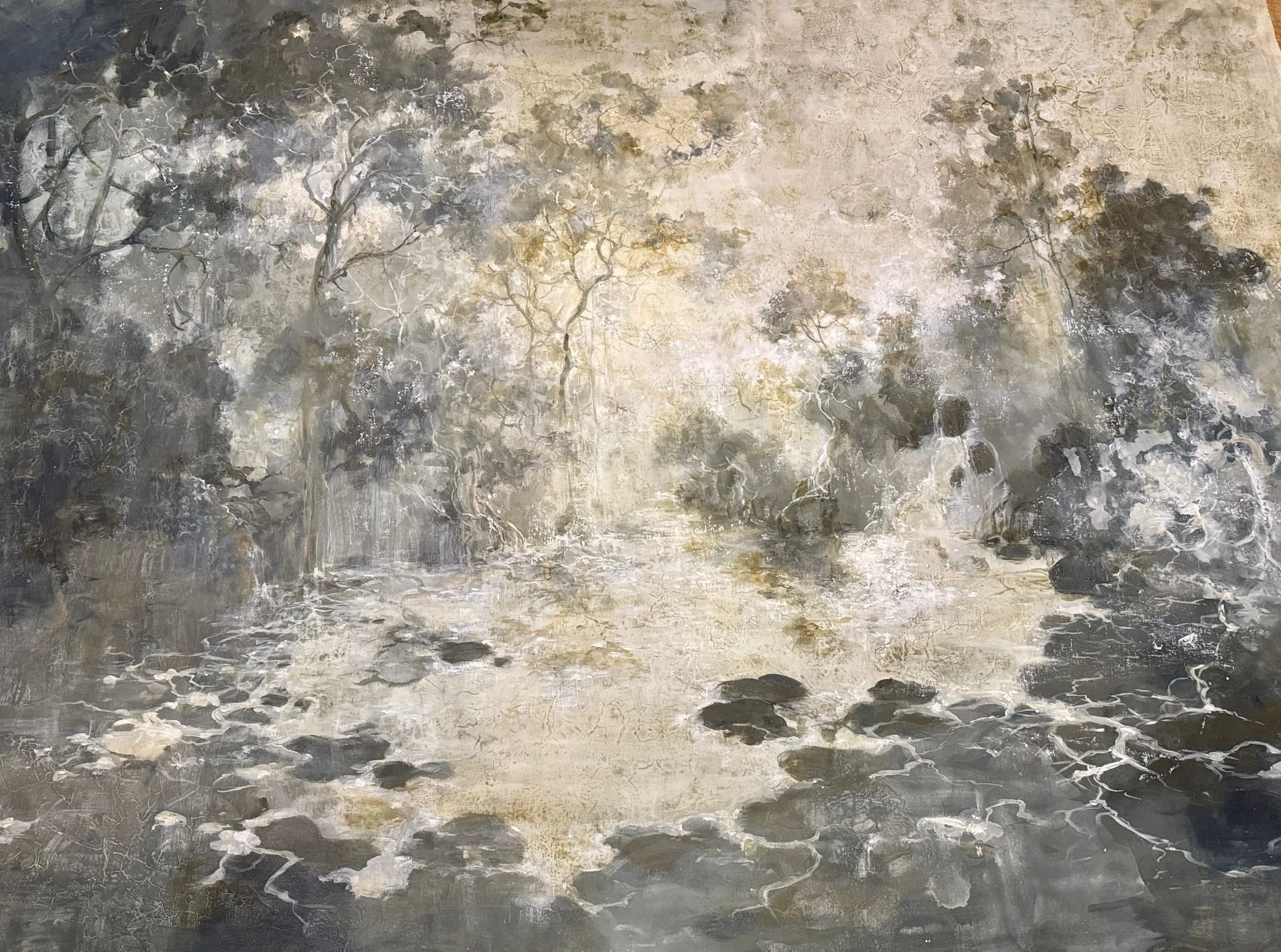
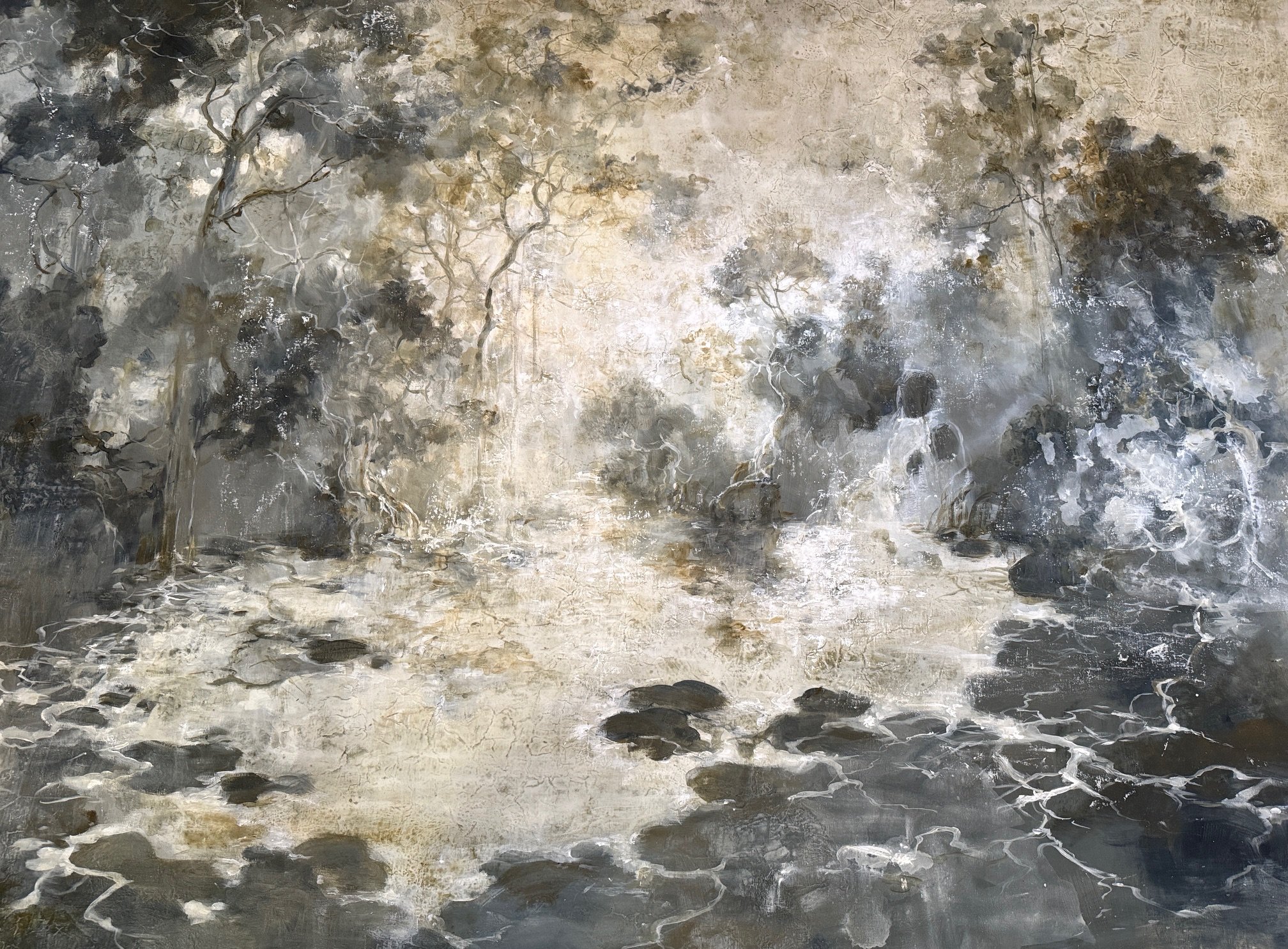
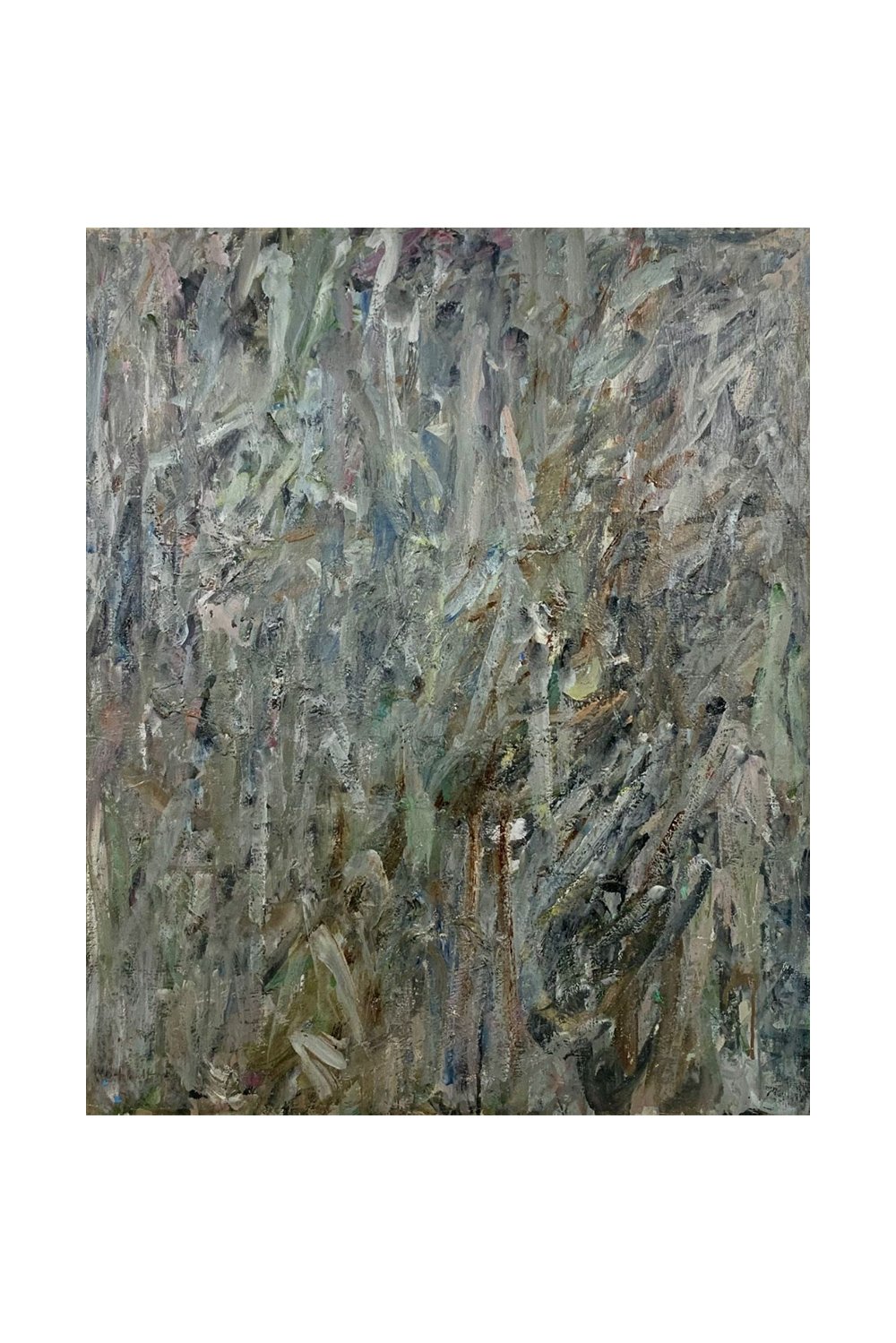
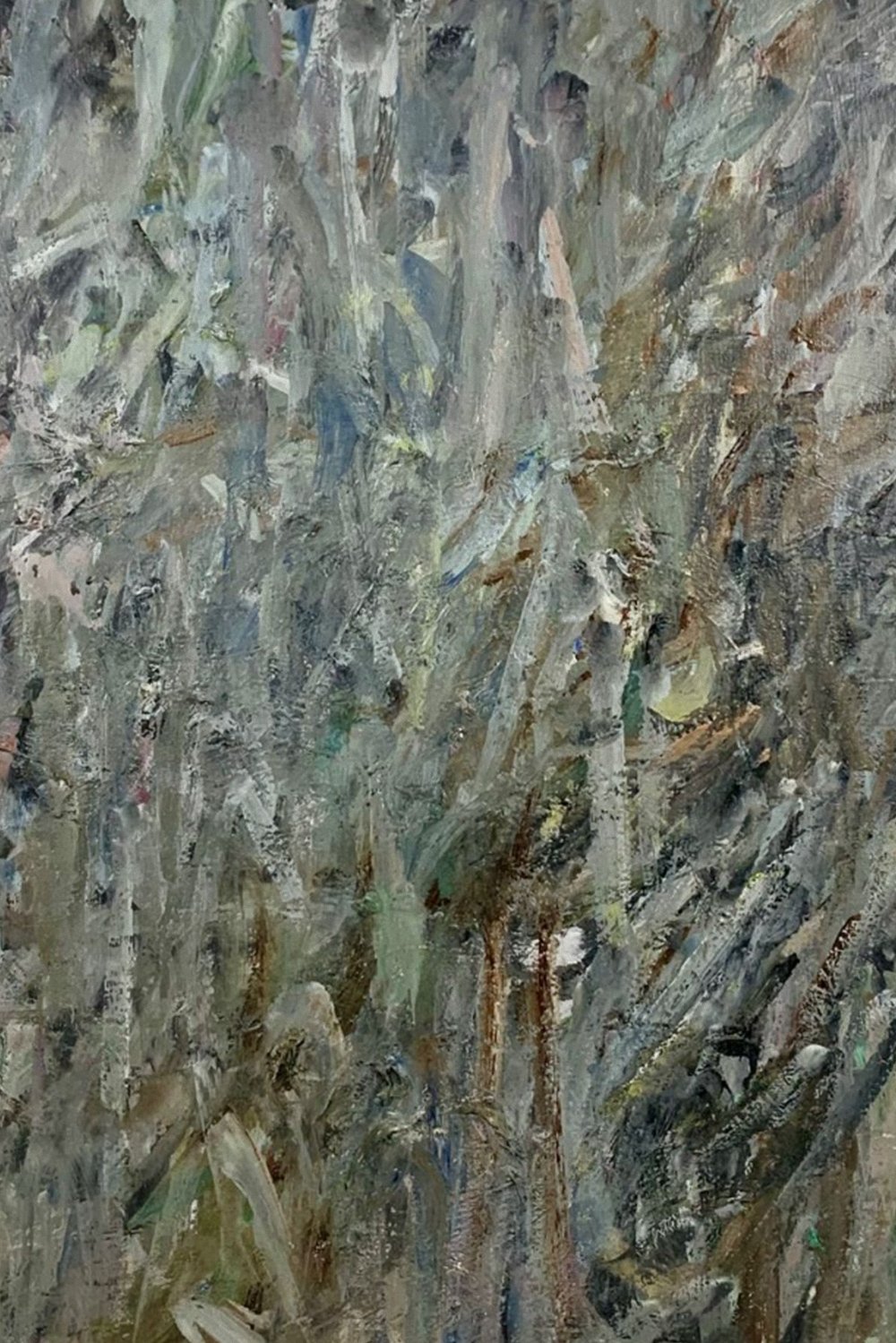
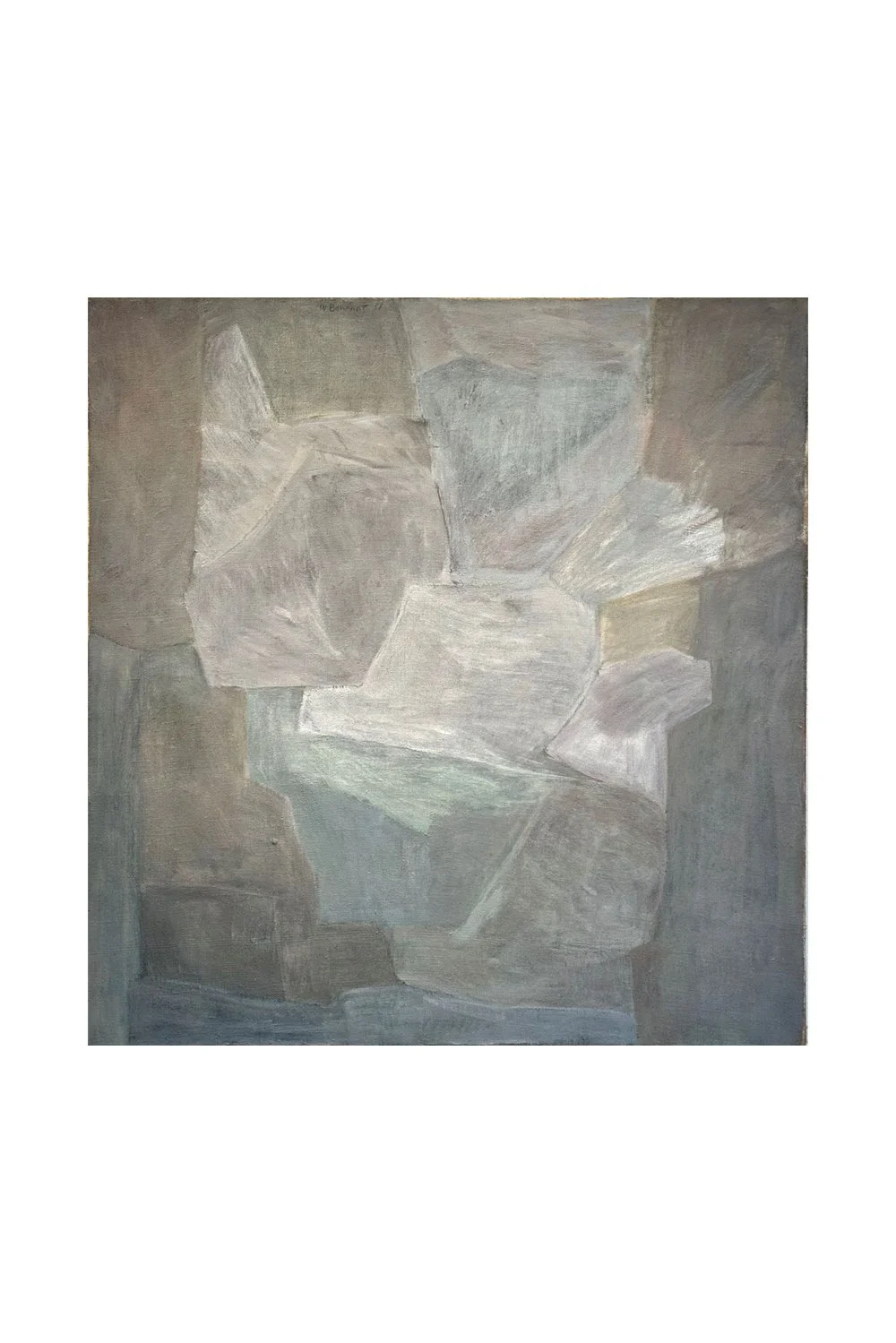
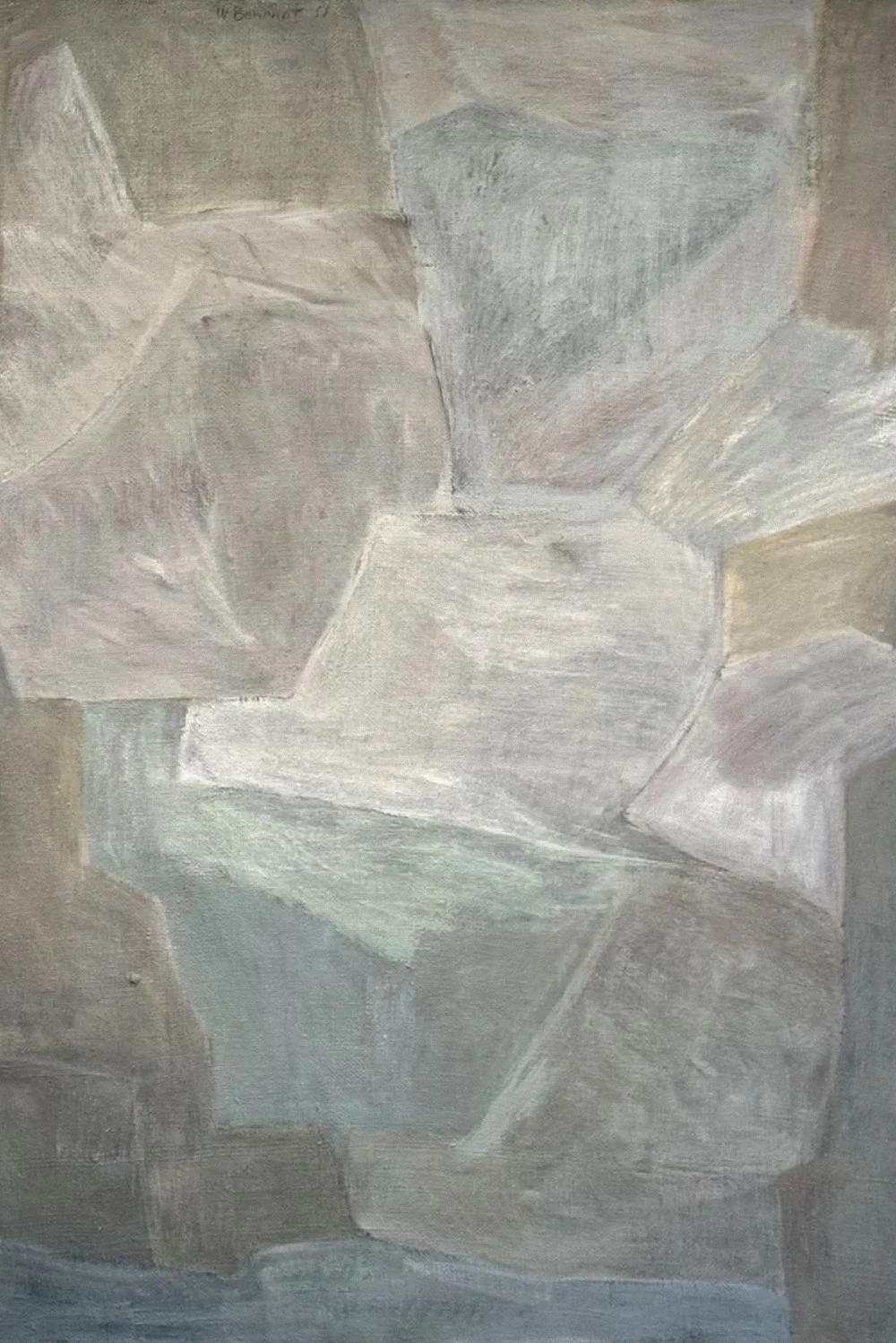
This large-format abstract composition by Swiss artist Willi Behrndt (120 × 120 cm) exemplifies the meditative precision and structural clarity that define his contribution to European postwar abstraction. The surface unfolds as a restrained constellation of planes in muted greys, ivories, and pale greens, suggesting an architecture of silence where form dissolves into atmosphere.
Far from gestural excess, the painting radiates a quiet authority. Each block of tone seems to hover, overlapping with subtle transparency, evoking both geological strata and architectural facades reduced to their essence. This refined orchestration of light and materiality demonstrates Behrndt’s capacity to merge painting with spatial thinking, situating his work in dialogue with the most contemplative strands of mid-century abstraction.
For advanced collectors, the work offers an exceptional opportunity to acquire a museum-quality example of Behrndt’s mature style, where abstraction becomes not only visual but also architectural, a meditative construction of space and silence.
Measurements:
120 × 120 cm
About the Artist:
Willi Behrndt (1919–2013) was a Swiss painter whose artistic path reflects the broader evolution of European modernism after World War II. Trained in Zürich, Behrndt’s practice evolved from graphic design to a rigorous exploration of painting, developing a language that oscillates between lyrical subtlety and structural austerity. His time in Geneva and the South of France before returning to Zürich enriched his sensibility with both Mediterranean light and Central European rigor.
Behrndt’s work is marked by a unique synthesis of material density and spiritual restraint, earning him a place within the European postwar search for balance and purity. Today, his abstract paintings are increasingly recognized among connoisseurs for their timeless ability to command space through silence, structure, and tonal mastery.
This large-format abstract composition by Swiss artist Willi Behrndt (120 × 120 cm) exemplifies the meditative precision and structural clarity that define his contribution to European postwar abstraction. The surface unfolds as a restrained constellation of planes in muted greys, ivories, and pale greens, suggesting an architecture of silence where form dissolves into atmosphere.
Far from gestural excess, the painting radiates a quiet authority. Each block of tone seems to hover, overlapping with subtle transparency, evoking both geological strata and architectural facades reduced to their essence. This refined orchestration of light and materiality demonstrates Behrndt’s capacity to merge painting with spatial thinking, situating his work in dialogue with the most contemplative strands of mid-century abstraction.
For advanced collectors, the work offers an exceptional opportunity to acquire a museum-quality example of Behrndt’s mature style, where abstraction becomes not only visual but also architectural, a meditative construction of space and silence.
Measurements:
120 × 120 cm
About the Artist:
Willi Behrndt (1919–2013) was a Swiss painter whose artistic path reflects the broader evolution of European modernism after World War II. Trained in Zürich, Behrndt’s practice evolved from graphic design to a rigorous exploration of painting, developing a language that oscillates between lyrical subtlety and structural austerity. His time in Geneva and the South of France before returning to Zürich enriched his sensibility with both Mediterranean light and Central European rigor.
Behrndt’s work is marked by a unique synthesis of material density and spiritual restraint, earning him a place within the European postwar search for balance and purity. Today, his abstract paintings are increasingly recognized among connoisseurs for their timeless ability to command space through silence, structure, and tonal mastery.
These are antique pieces and are sold as such. Although VV does its best to highlight major flaws, minor imperfections should be expected reflecting the age and previous use of the piece.